How to do online competitor analysis for your business: A step by step guide
Learn how to analyze competitors, gain insights, and boost your business with our comprehensive online competitor analysis guide.
Knowing your business battlefield is key to victory. In today's digital world, studying your online rivals can shed light on their game plans, strong points, and blind spots. This helps you sharpen your advantage. Specifically, you can spot rival products, cost, audience, marketing strategies, and website traffic by handpicked website study and tools like Market Explorer, Advertising Research, and Organic Research. By matching rivals, carrying out SWOT analysis, and pinpointing your unique edge, you collect useful data to bolster your marketing playbook. With regular check-ups, you can constantly adjust to the changing market wind. This practical guide details how to use online rival analysis to fuel growth.
1. Identify Your Competitors
Starting with online rival studies, it's important to grasp how essential it is to study both direct and indirect rivals. Direct rivals are those fighting for your customers. These are businesses you remember first – companies selling similar products or services, operating nearby, or attracting a similar customer slice. You're likely already aware of these players, but it's crucial to keep a close eye on them.
But don’t stop there. Indirect rivals, often forgotten, can be just as important to your study. These could be companies in connected areas or those that aren't targeting your customers now but might shift and pose a threat. Today's friend or non-rival could be tomorrow's foe. Like a health supplement company may not be in direct competition with a gym, but if it begins offering fitness programs, it could be.
Peek into your potential rivals' world. How? Do market research, join industry discussions, and pay attention to what your customers say. Occasionally, they may mention other firms they thought about or are using. This info might highlight competitors you didn't think of before. Also, regularly check industry news and market trends to discover new companies that you might not know of yet.
Taking this all-rounded strategy to identify rivals offers you a full-picture of the competition. It ensures you're not just looking at known problems, but you're also ready for future ones. Remember, in the unpredictable business world, a minor player now could be a major rival later.

2. Use Online Tools for Research
Internet data is rich. Online tools can offer priceless knowledge about your competitors' online moves and plans. Check out tools like SEMrush, SpyFu, and Google Analytics.
They follow website visits, keyword ranks, backlinks, and content performance. Look closely at your competitors' top landing pages, best-ranking keywords, and successful content. Look for strong points to mimic or weak points to take advantage of.
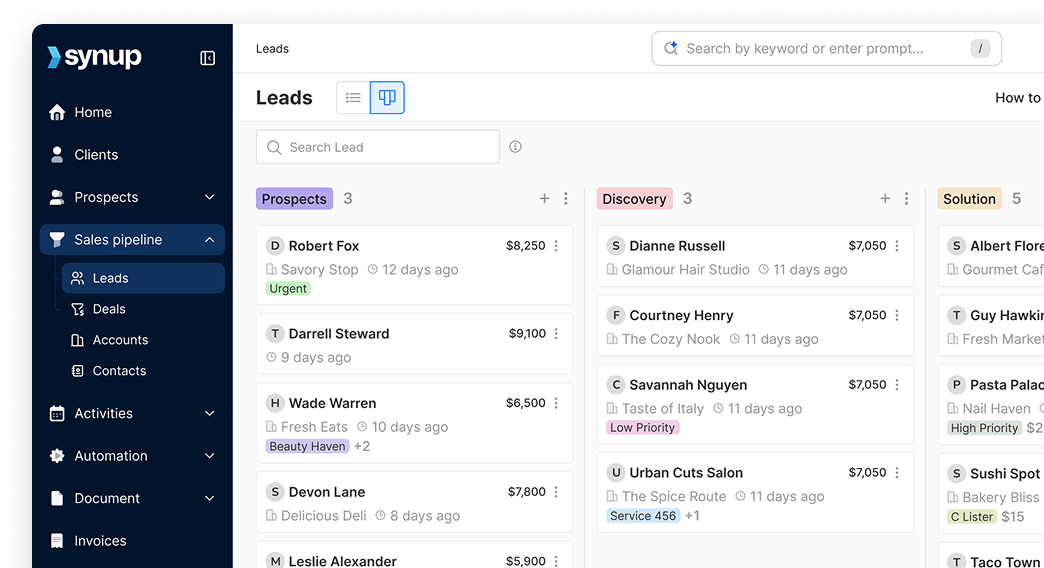
Complete your website analysis by hunting detailed info on SEO, PPC, and social media. Understand data on budgets, ad copies, audiences, and more. Use platforms like Market Explorer, Advertising Research and Organic Research for quick comparisons to reveal competitor weak spots. Keep watching this data to adjust your plans. The right tools can give you a deep understanding of your rivals' online marketing, helping you always update your uniqueness.
3. Comparison Study
Know your position better by comparing your competitors. Make a chart, list things like products, services, prices, customer type, and web presence. Not only does this highlight where you're different, but also what you have in common. Consider this: a rival might have more products or better shipping.
See that? That's where you can improve. Or maybe their prices are high and the value isn't obvious - you might charge more then. Check out market shares and target audience info to refine your approach. Look at how social media fans, websites visitors, and ads tactics differ too. By comparing, you can learn from your rivals. You’ll see what makes you special and can plan better. Regular check-ins keep you on your toes in our fast-paced digital world.

4. SWOT Analysis
A SWOT analysis is a journey for your business. Picture it like seeing your reflection, then peering out at the world beyond. A four-way deep-dive, SWOT covers your Strengths, Weaknesses, Opportunities, and Threats. You examine these both inside and outside your business compared with your competition. It's like checking yourself in the mirror, then seeing what’s happening outside your window.
Let's unravel this with a few clear examples:
- Strengths: What are you great at? Are you known for excellent customer service, or maybe a special product feature? Think of a cafe known for a warm atmosphere and a unique organic blend. That's a strength - it keeps customers coming back.
- Weaknesses: Areas where you might need improvement. Honesty counts here. Your online presence might not be as good as your competitors', or your product variety might be limited. If a nearby cafe has digital ordering and you don't, that's a weakness in this tech-oriented world.
- Opportunities: Seeking new prospects? Noticed a rising trend for meat-free meals? Adding vegan items to your menu could be a smart move. Opportunities are like opening windows - be ready to leap through.
- Threats: External conditions that may cause hurdles. It could be a new cafe down the street, or a change in customer preference towards brewing coffee at home. Be prepared for potential difficulties ahead.
Carrying out a SWOT analysis does more than bring clarity; it directs your strategic moves, lets you build on your strengths, work on your weak spots, seize opportunities, and prepare for threats. It's like creating a map for your business path, well aware of the landscape ahead.

5. Identifying Your Unique Position
In bustling markets, companies can stand out using competitive analysis. Learn about rivals' offerings, then pinpoint what sets you apart. Maybe you offer unique items, better pricing, or unexpected technology. Perhaps it's your top-notch service. Share what makes you different in every channel. Like the meal kit firm, Purple Carrot. They found success with plant-based meals, eco-packaging, and charity work. By finding a niche that resonates with customers, small companies can shine. Also, focus on target groups missed by large businesses. Use your collected knowledge to spot and meet overlooked customer needs. Continuously adjust your specialty to stay relevant. Embrace what makes you unique and deliver on it. Seize opportunities left by rivals to succeed despite seeming likeness.
Doing routine competitor analysis is key to keeping up in today's ever-changing business world. As you uncover, rivals are relentlessly updating strategies and items. To stay in the race, fold competitor analysis into your regular strategy check-ins.
Let leadership meetings include competitor review time. Discuss new findings and the potential next steps. For instance, if a competitor puts out a new product that threatens you, plan a comeback. Spot a customer need that's ignored? Jump on it.
All sections within the company can benefit from the information gathered from competitor analysis. Let departments like product, sales, and marketing know about these insights. They can use them to discover new possibilities and avoid potential risks. An organization wide focus on competitor intelligence will give your business the cutting edge. By reacting fast, you can outpace your competitors and enhance the quality of service to clients.

Additional Resources
Online courses like HubSpot Academy's Competitor Analysis or Coursera's Competitive Intelligence provide detailed learning on competitor analysis. Books such as "Competitive Strategy" by Michael Porter and "Competing Against Luck" by Clayton Christensen are also valuable resources.
For more thorough insights, check out platforms like SEMrush for keyword and traffic analysis, or SimilarWeb for analyzing web traffic and how users interact with sites. You can also use tools like SpyFu and WhatRunsWhere for paid search and social media advertising insights. If holding on to market share is your main priority, look for intelligence from CB Insights or PitchBook. These offer databases containing competitive tracking details on funding, acquisitions, patents and more. Using such additional resources can dramatically improve your competitor analysis practice.
Success Stories
Mejuri, a jewelry company, shook the traditional fine jewelry industry by analyzing both standard jewellers and digital-first brands. They examined their product range, pricing, marketing techniques, and more. Mejuri spotted a chance to deliver affordable luxury jewelry straight to online consumers. From its start in 2015, Mejuri has grown to operate in 10 countries and made over $100 million in annual revenue.
Subscription vitamin startup Care/of stood out in a busy market by using online tools to examine competitors' marketing techniques. Observing that rivals overlooked Instagram, Care/of created viral, educational content for the platform, boosting its audience by 670% year-on-year. Vigilant analysis continues to guide product development and communication. This shows that proper and skillful online competitor analysis provides a lasting edge.
Knowledge from Experts
Industry professionals underline the necessity of frequent competitor analysis, often overlooked. Porter Gale, a strategist, states, “Understanding the competition is key.” The recommendation includes categorizing competitors based on product, pricing, customer base, and more. Digital marketer Neil Patel emphasizes checking rivals’ online marketing channels to expose gaps and chances. For instance, if a main rival does not use email efficiently and you have a dynamic subscriber list, concentrate more on email communication. Entrepreneur Steve Blank advises not to obsess over competitors, but to gain enough knowledge to deliver superior customer value. He states, “Develop what customers want, not what beats competitors.” In conclusion, experts emphasize that smart competitor analysis aids strategic decisions, exposes market gaps, and keeps you focused on customer needs. But, it should empower, and not divert attention.
Engaging Tools
Spicing up your exploration in the world of online competitor analysis can be exhilarating and informative. To make this learning journey more interactive and captivating, think about integrating interactive elements into your study. These aids not only heighten the enjoyment of learning but also intensify your understanding through active involvement.
Consider the value of adding quizzes or evaluations. You might place some quickfire questions at the end of each section. Questions can cover main ideas like SWOT analysis or competitor profiling. Picture this, once you've learned about recognizing competition, a quiz pops up. It pushes you to spot potential rivals in a hypothetical market scenario. Quizzes not only solidify what you've learned but add an element of fun.
Besides quizzes, think about supplying downloadable resources. Having a template for your own competitor analysis can be invaluable, as can checklists that guide you through each step. Imagine getting a customizable template that lays out the procedure of competitor analysis. You could fill it in while investigating your competitors. This tool is not just practical, it encourages you to use what you've learned in a real-life situation.
Merging these engaging methods with the instructive content makes your journey into understanding competitor analysis more than a lesson. It becomes a route to mastering the art of strategic business analysis.
By this point, you should firmly understand online competitor analysis and its use in business growth. But don't stop now! Make a point to keep competitor research a frequent part of your strategy. Remember to do a deep dive into your main competitors' offerings, marketing, and performance at least every few months.
Learn from your discoveries to spark new ideas. If competing businesses don't offer mobile-friendly options, create a top-notch mobile platform. Find a need that hasn't been met yet and develop features or products to fulfill it. Spot weaknesses in your competitors' marketing and present your brand as the perfect choice.
A competitor study helps uncover gaps and bring more value to customers. It gives an edge, necessary for continuous product-market alignment. With the right knowledge about your competitors and smart moves, you'll move forward as they try to level up. Start applying these suggestions to keep up the pace.