How to Run Facebook Ads for Local Businesses
Learn how local businesses use Meta Platforms ads to drive calls, bookings, and store visits with hyperlocal targeting, strong offers, and conversion tracking.
Source: Unsplash
For local businesses, Facebook ad (and Instagram through Meta Platforms’ unified ad system) is still the most precise way to turn nearby residents into paying local customers. With billions of daily users and hyperlocal targeting that can narrow your target audience to a few miles around your storefront, few platforms rival its local reach.
But the rules have changed.
Layering 10 interests and micromanaging demographics no longer outperforms the algorithm. In 2026, broad local targeting combined with strong creative consistently beats over-complicated setups. The businesses winning today aren’t hacking the system; they’re aligning with how Meta’s AI actually works.
If you care about phone calls, bookings, and in-store visits instead of just likes and comments, here’s how to approach it.
Also Read: Social Media Advertising Guide and Trends 2026
TL;DR
- Use Leads or Sales objectives in Meta Platforms Ads Manager (don’t boost posts).
- Target a small local radius and keep audiences broad.
- Use local, authentic creative (owner video ad, real locations).
- Offer a strong incentive.
- Track calls, bookings, and purchases.
Step 1: Choosing the Right Objective (Stop Boosting Posts)
The blue “Boost Post” button is built for engagement, not revenue. When you boost, the system optimizes for likes, comments, and shares. That feels good, but it rarely translates into measurable sales.
For a local business, every dollar needs to move someone closer to a transaction. As compared to google ads, meta ads has different objectives when it comes to conversion.
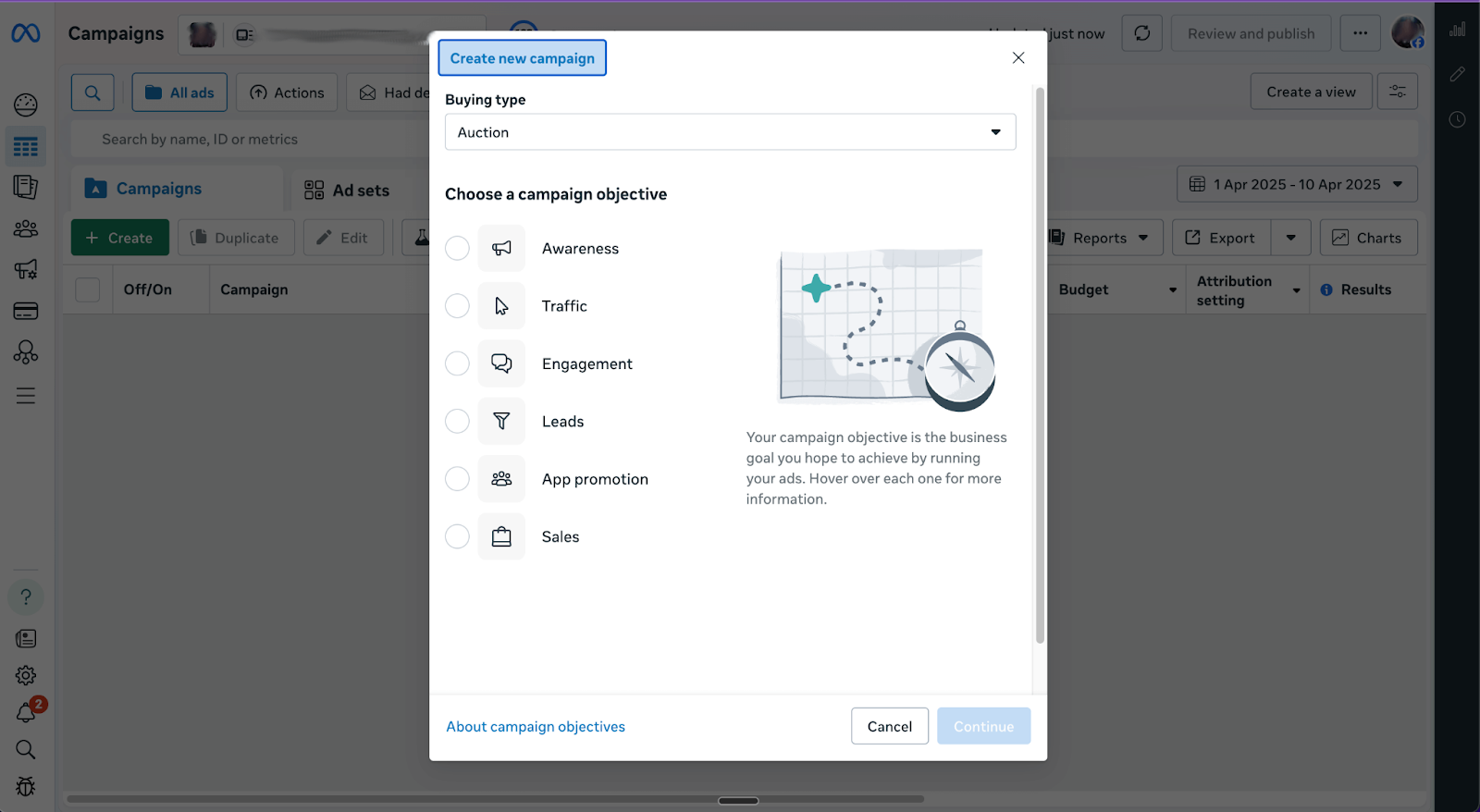
In Meta Ads Manager, focus on two objectives.
- Leads: Use Leads if you’re a service-based small business – dentist, plumber, gym, attorney, HVAC company. Lead Ads allow instant forms that auto-fill with a user’s profile data. That frictionless experience often converts multiple times higher than sending traffic to an external website.
- Sales: Use Sales if potential customers can complete a purchase or booking online – restaurants with online ordering, retail stores with ecommerce, salons with booking systems. This tells Meta’s system to optimize for buyers, not just clickers.
Courtesy of madgicx
There’s also a third option: Awareness. But use Awareness sparingly, as it’s only useful if you have Meta’s offline event tracking configured (requires significant foot traffic for statistical accuracy). If you can’t measure a conversion digitally, skip it.
The rule is simple: optimize for outcomes, not attention.
Step 2: Mastering “Hyperlocal” Targeting in 2025
The counterintuitive truth is that broad targeting within a small radius performs better than narrow interest stacking.
Why? When you drop a pin around your small business and select a 3–5 mile radius (for restaurants and retail) or 10–15 miles (for service businesses), you’ve already defined relevance. Adding layers like “interested in yoga + organic food + meditation” shrinks your social media audience too much and limits the algorithm’s ability to learn.
Meta’s Advantage+ audience tools consistently show lower acquisition costs compared to manual interest stacking, according to research.
Here’s what actually matters:
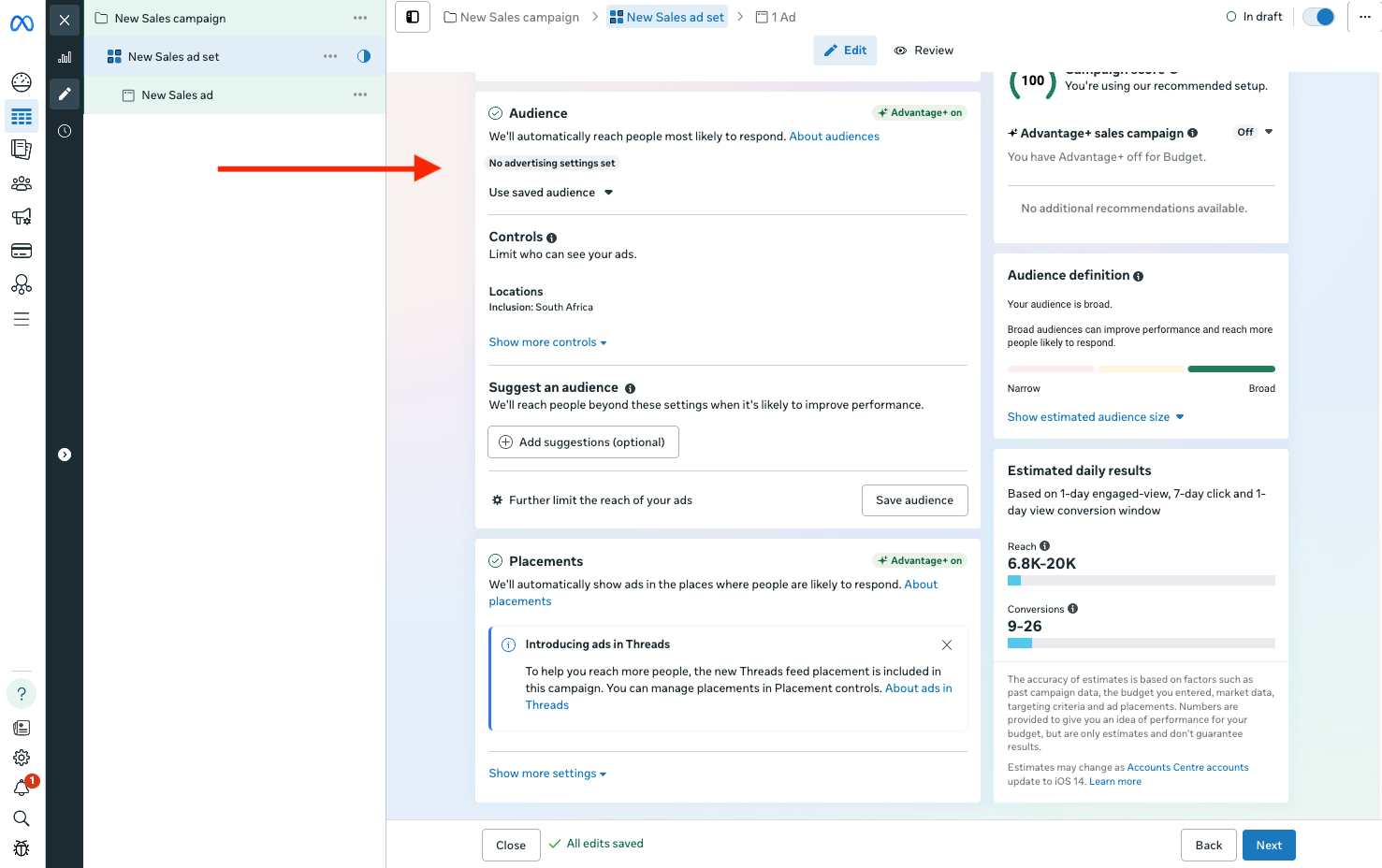
- Set your facebook advertising objective at the campaign level (Leads or Sales).
- At the ad set level, drop a location pin around your local business.
- Keep demographics broad unless you truly serve a narrow group.
- Interests: Leave blank or use Meta’s Advantage+ Audience suggestions.
- Let the algorithm optimize.
The only manual control in facebook ads manager worth applying is “exclusions”. Remove current employees and existing customers if you’re running acquisition campaigns. Let the AI work.
Courtesy of madgicx
Step 3: Creative That “Stops the Scroll” Locally
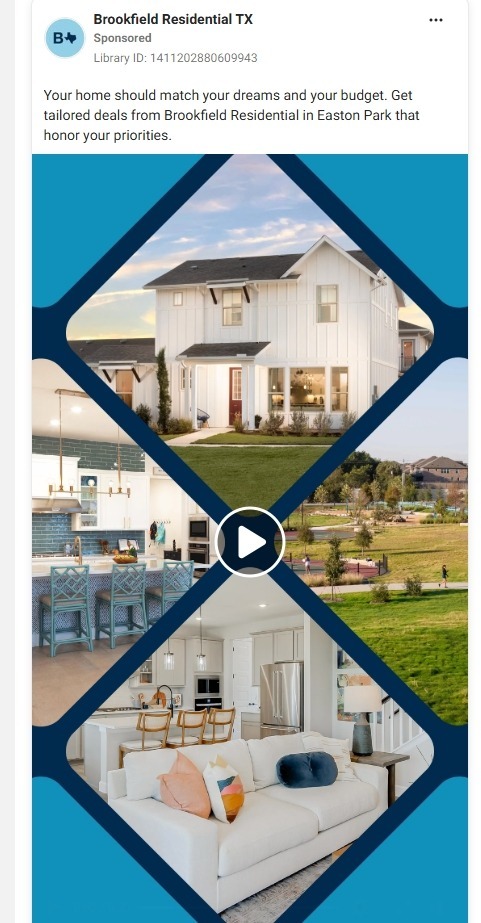
Local ads win when they feel local. Stock imagery and generic branding get ignored. What stops the scroll is recognition: a storefront someone walks past daily, the owner’s face, a neighborhood landmark.
Data consistently show that geo-specific ad copy significantly increases engagement. Opening your ad with “Hey Austin!” or “Chicago homeowners…” immediately signals relevance.
Lo-fi smartphone video ad format often outperforms polished production. A restaurant owner filming behind the counter or a plumber explaining a job in a nearby neighborhood feels native to the feed, unlike an intrusive commercial.
Courtesy of Meta
Step 4: The Offer and the Call to Action
Most local businesses underperform because their offer is weak.
“10% off” rarely moves behavior. A strong loss-leader does: free teeth whitening with an exam, buy-one-get-one entree, first month at $1, free diagnostic with repair, etc.
You may lose margin on the first transaction. But if customer lifetime value is high, the math works.
For service businesses, Lead Forms are typically the highest-converting CTA. They eliminate typing and friction. For retail and restaurants, “Get Directions” or Messenger often converts better than sending traffic to a website.
Test “Learn More” vs. “Get Offer” vs. “Sign Up” button text. Small wording changes can create significant swings in conversion rates. We’ve seen 15-25% swings in conversion rates from button copy alone. So, make saying “no” uncomfortable.
Step 5: Tracking Success (Offline Conversions)
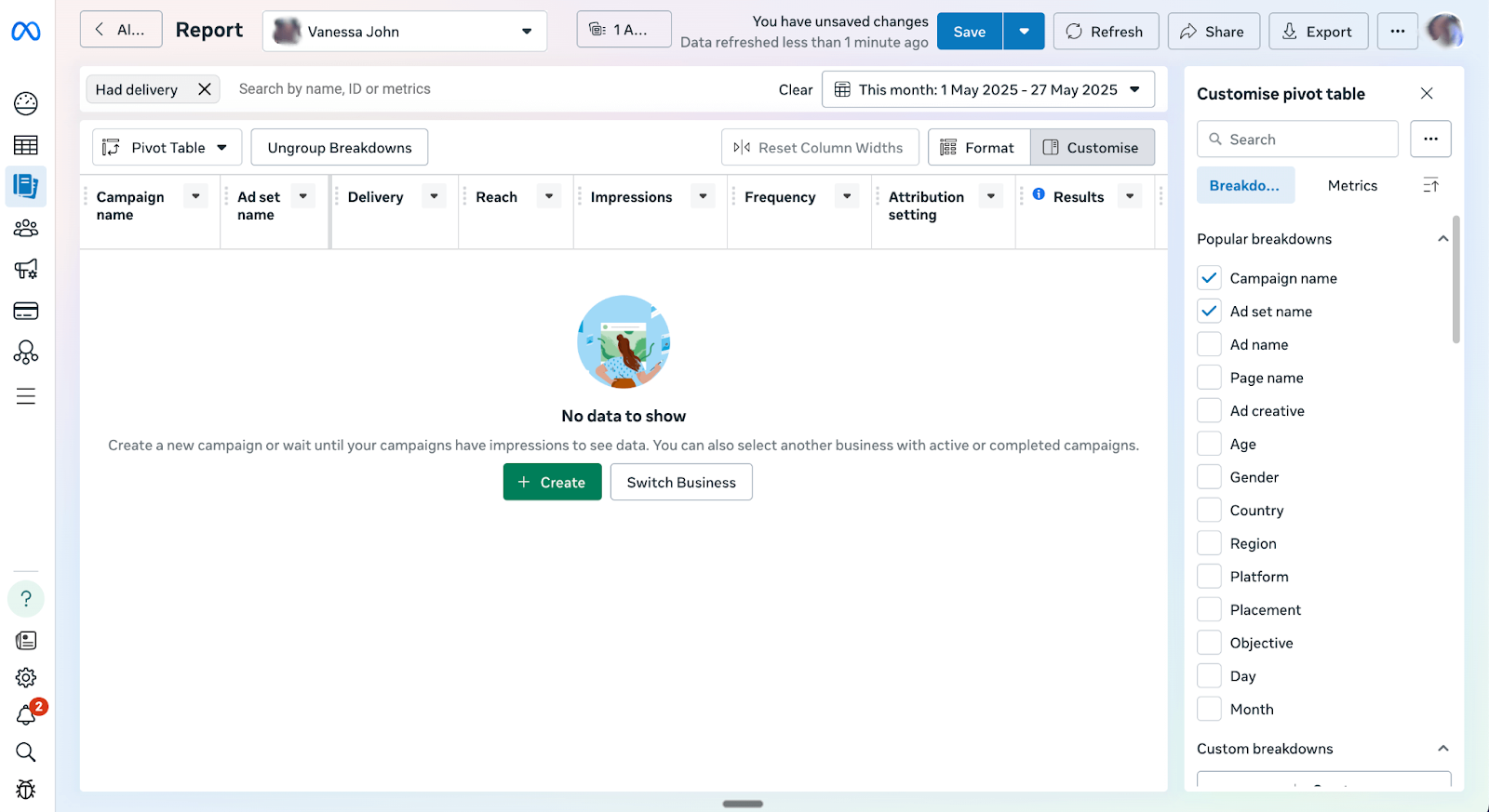
Here’s where most local businesses misjudge performance. A customer sees your ad, visits three days later, and spends $200. If you don’t track offline conversions, it looks like the ad didn’t work.
Solution 1:
Inside Meta Platforms’ business tools, you can upload customer purchase data through Offline Events. The facebook advertising platform matches buyers to ad viewers and reports attribution via facebook pixel. This closes the loop.
Solution 2:
If Solution 1 sounds too technical, keep it simple. Use unique promo codes. Train staff to ask how customers heard about you. Offer “Show this ad for X” promotions. Even manual tracking gives clarity to your facebooka ad campaign.
A healthy benchmark for social media campaigns is a 3:1 return on ad spend or better. Track cost per lead, cost per purchase, frequency (don’t exceed 3–4 impressions per person weekly to avoid annoying), and conversion timelines.
Also Read: 13 White Label Social Media Management Software for Agencies
Courtesy of madgicx
Conclusion
Local Facebook ads succeed through clarity, not complexity.
The winning formula:
- Choose the right objective.
- Target a tight geographic radius.
- Keep your local audience broad.
- Use social media creatives that feel native.
- Make the offer irresistible.
- Track revenue rather than just clicks to your facebook page or website.
If you’re running local social media campaigns, Synup makes it easy to manage posts, scheduling, and performance in one place.
Also Read: How to Post on Social Media: A Guide for Local Businesses
FAQs
- How much should a local business spend on Facebook Ads?
Start with $10–$20 per day. That’s enough for the algorithm to optimize. Once you consistently see a 3:1 return or better, scale gradually.
- Should I target mobile or desktop users on Facebook Ads?
Mobile users dominate local intent. Focus ad placements on mobile feeds and stories.