Social Media SEO: 12 Tips to Use Social to Boost SEO for Your Clients
Low engagement on social platforms can limit organic growth. Explore 12 actionable social media SEO strategies to boost client visibility.
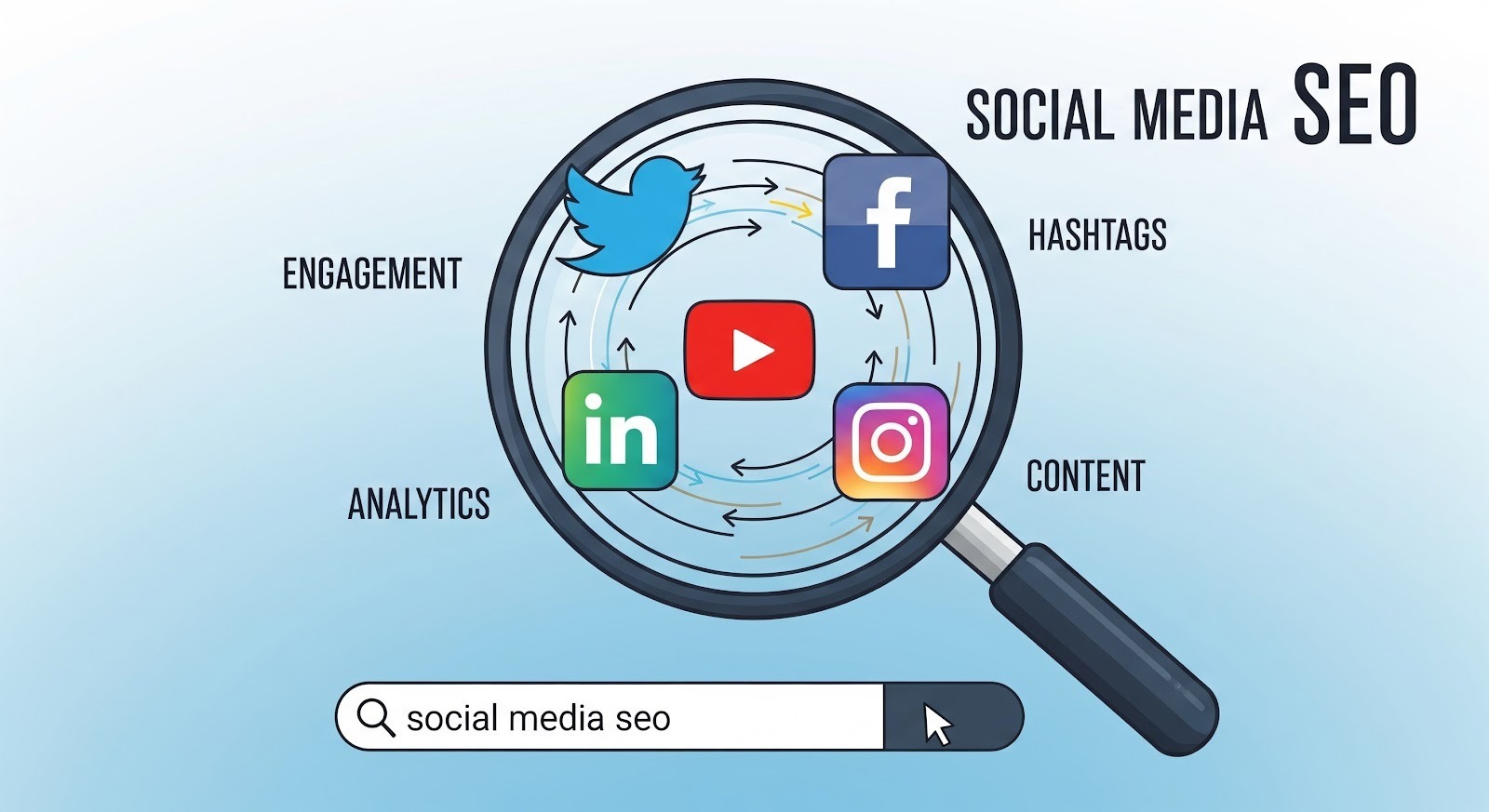
Agencies have traditionally treated SEO and social media as separate disciplines, but that separation is increasingly outdated.
While social signals such as likes and followers are not direct ranking factors within Google’s algorithm, the correlation between strong social visibility and strong search performance is undeniable. Social media SEO drives branded search demand, accelerates indexing, amplifies content distribution, and creates natural backlink opportunities. And all of these directly influence search performance.
We’re no longer in an era of optimizing for one search engine; it’s for search behaviour. And search behaviour now happens across all social media too.
For agencies, this shift represents a major opportunity. By integrating social media strategy with SEO execution, you can move from tactical publishing to complete visibility management.
This guide shares 12 actionable tips to help your clients dominate searches across platforms.
TL;DR
Social media may not directly influence Google’s ranking algorithm, but it is a powerful SEO accelerator. When executed strategically, social media SEO can:
- Increase branded search demand
- Strengthen EEAT and brand entity signals
- Accelerate indexing and content discovery
- Drive qualified referral traffic
- Generate editorial backlinks
- Expand visibility across in-app search engines
- Improve Brand SERP control
- Enhance local pack performance
- Capture video visibility in Google SERPs
For agencies, it’s no longer about managing posts. It’s about managing search presence across platforms
Understanding the Social SEO Landscape
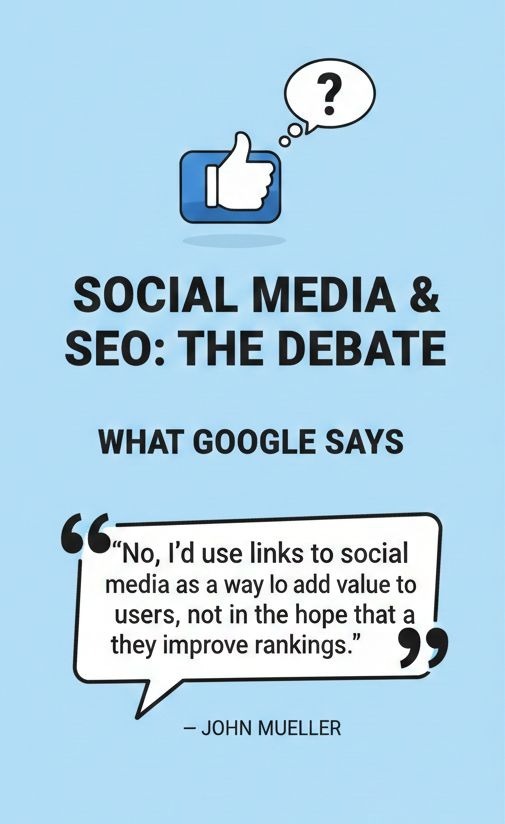
Google has consistently clarified that social engagement metrics like followers, shares, and likes are not counted as direct ranking signals. Focusing solely on that statement, however, misses the larger strategic picture.
Direct vs. Indirect Impact
Social media influences SEO indirectly, but powerfully. When a social content performs well, it can:
- Generate branded search demand
- Drive referral traffic
- Lead to editorial backlinks
- Accelerate content discovery and indexing
For example, imagine you post a viral thread on X. It gets shared by five local news reporters. One of those reporters writes an article and links to your client. That is a high-authority backlink. But social search was the catalyst.
An increase in branded search is a massive trust signal. When users begin searching for a company by name, it indicates to Google that this business is a real entity. This reinforces E-E-A-T (Experience, Expertise, Authoritativeness, and Trustworthiness).
Yes, social media marketing may not be a ranking factor, but it is a ranking accelerator.
Social Platforms as Search Engines
Social search behaviour is no longer limited to Google.
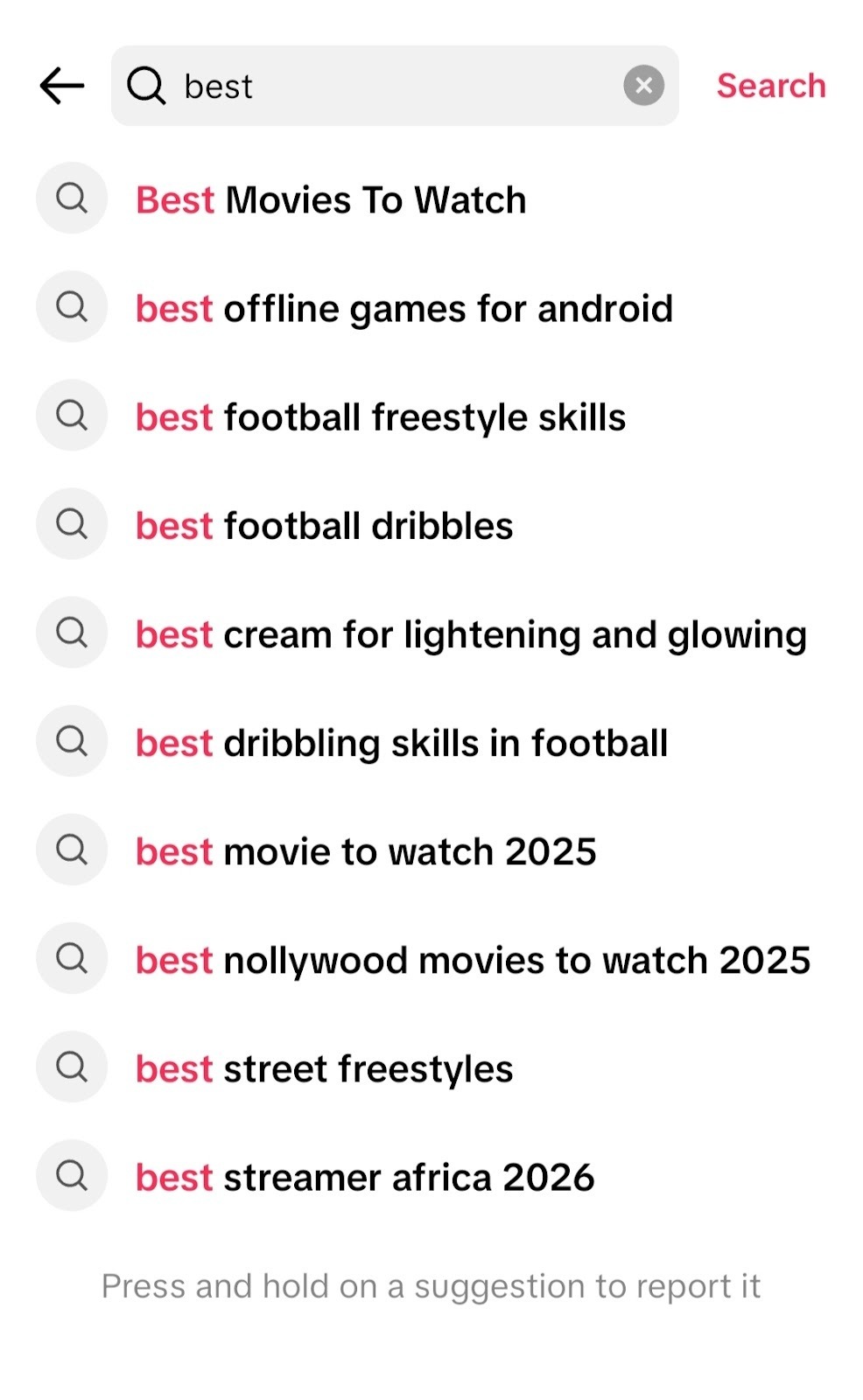
According to a study by Adobe, over 2 in 5 TikTok American users use the social media platform as a search engine. And for agencies, this means visibility must extend beyond traditional search result. The objective is no longer about ranking on Google, but to rank wherever your customer searches. So digital marketing extends beyond traditional search.
Phase 1: Optimizing Profiles for Brand Authority
Your client's social platform is their digital business card. It needs to be perfect. Not just for users, but for the bots that crawl the web. Here are tips to start with:
Tip 1: Dominate Page 1 with Social Profiles
Search up your client’s brand name. What do you see? Ideally, you see their website at the top. But what fills the rest of the first page?
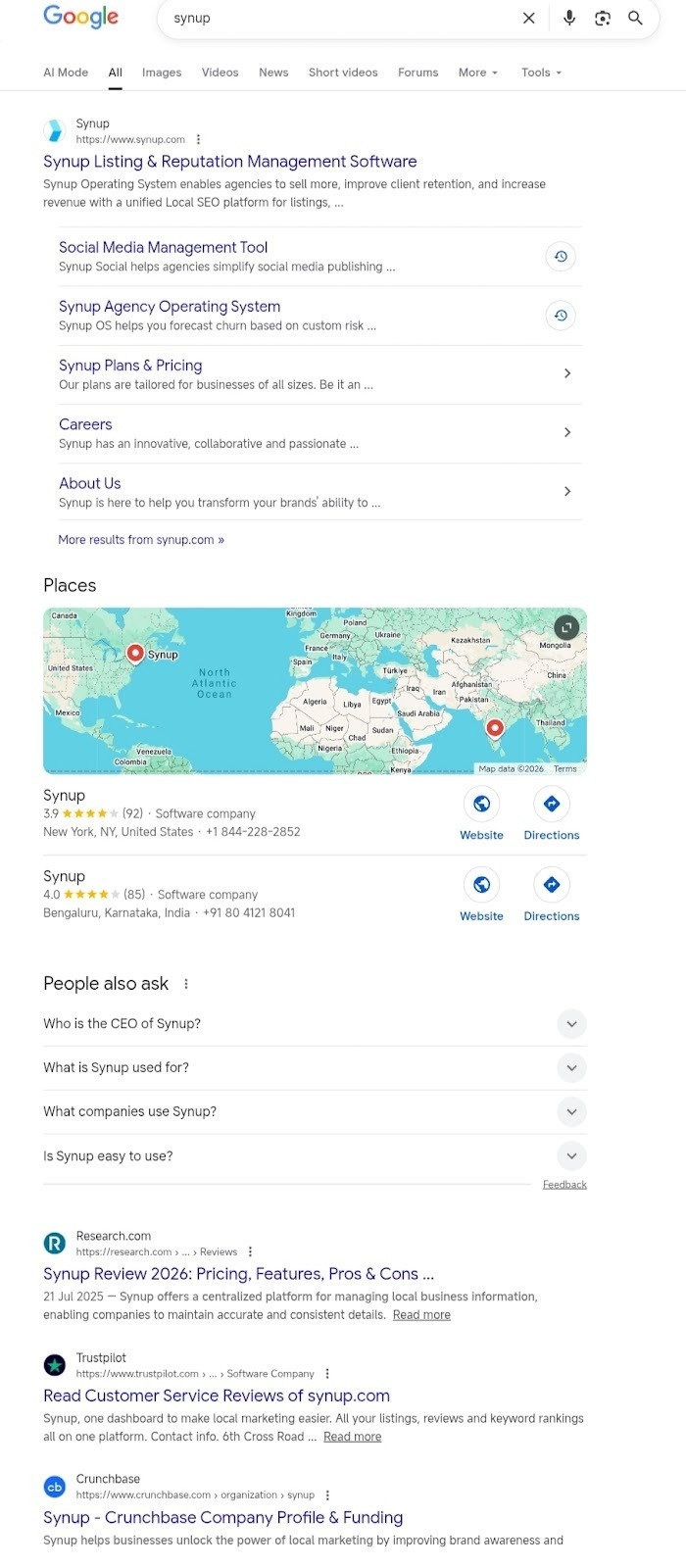
If, unlike the above, it's populated with third-party directories and competitors, there’s a huge strategic gap. This is where social optimization plays a critical role in brand SERP management.
Learn More: https://www.youtube.com/live/ZmDPxVfF_uQ?si=KackmTO73Uycw4VK&t=134
When properly optimized, social profiles rank for branded queries and occupy valuable real estate on page one. This pushes down competitor content and reinforces authority.
Additionally, Google frequently displays X (Twitter) carousels and social content modules within branded search results. With an optimized profile, you can give your client a live, updated space on page one.
Learn More: Mastering Hashtags on Twitter (X): Get Better Visibility for Your Tweets
Tip 2: Consistent NAP, Keywords in Profile Name and Bios
Consistency is the king of local SEO. You know this from managing citations. But many agencies forget to apply this to social SEO.
The name, address, and phone number (NAP) on your socials must match the Google Business Profile exactly. Do not use Street on Facebook and St. on your Google Profile. Keep it identical.
Every minor discrepancy can weaken trust signals. And beyond consistency, profile fields must be optimized strategically.
Many brands repeat their business name in the profile headline field. This is a missed opportunity to integrate high-intent keywords into profile names and bios.
A quick example:
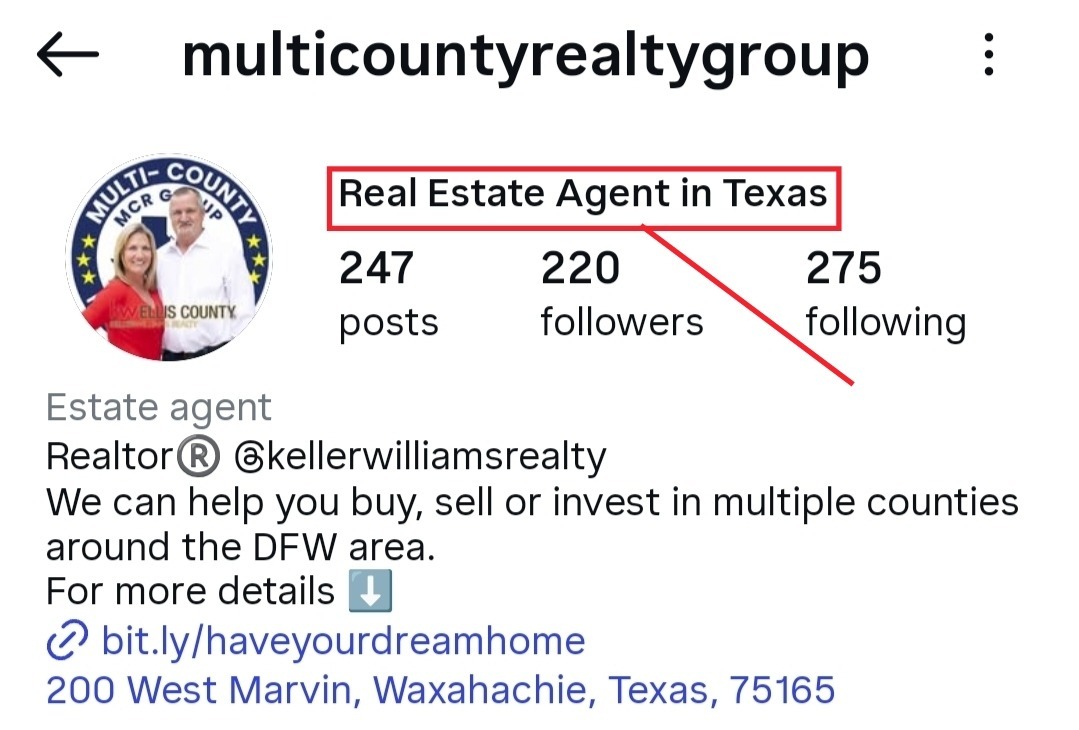
Instead of “ABC Realty”, use “ABC Realty | Real Estate Agent in Texas.”
When a user searches on Instagram or LinkedIn for “real estate agent in Texas,” the optimized profile is significantly more likely to appear.
Check out what Multi County Treaty Group is doing on IG:
Phase 2: In-App Search Optimization
We need to treat social posts like mini-webpages. This is where the real social media SEO happens. The algorithms are now sophisticated enough to read images and listen to audio.
Tip 3: Keyword-Rich Captions and Scripts
You have to start going beyond the cryptic one-sentence captions. Those do nothing for search engine optimization. You need to write captions that are rich with keywords.
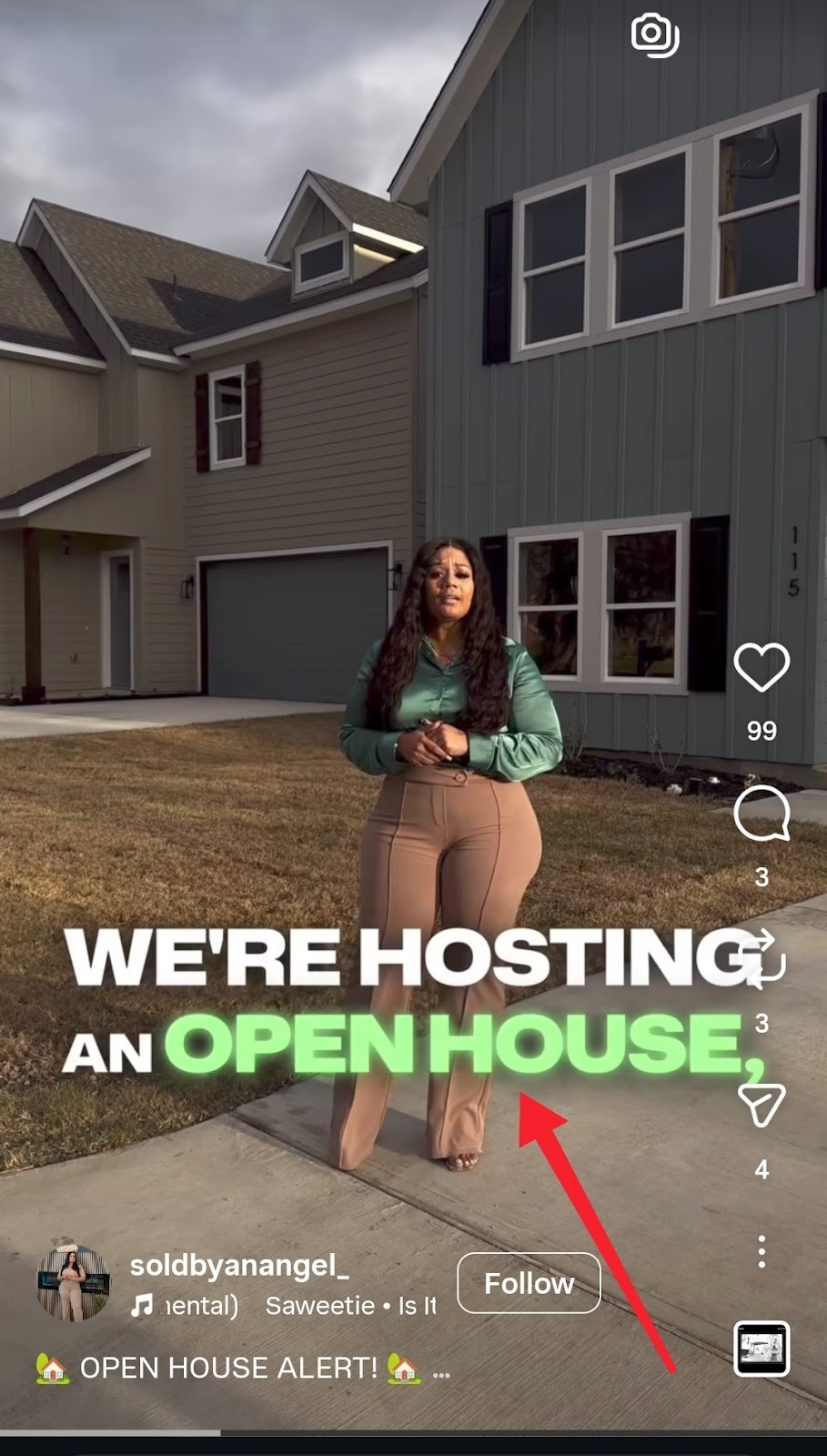
The TikTok algorithm, for example, analyzes the text in your caption to categorize your video. If you're hosting an open house in Waxahachie, Texas, say and transcribe that.
If you are a landscaping company in Phoenix, use those words.
Not just in the caption, though. Use them in the script. The AI transcribes the audio. If you say the keyword in the first three seconds, the app knows exactly who to show the video to.
On top of that, use on-screen text overlays. If the video contains text that says "Best Pizza in Chicago," the search engine indexes it. It’s all about giving the machine as much context as possible.
Tip 4: Alt Text and Accessibility
Most people think Alt Text is just for screen readers. While accessibility is important, it also serves a dual purpose for SEO.
Platforms like Instagram and LinkedIn allow you to add Alt Text to your images.
Do not leave this blank. This is where you describe the image using your target keywords.
If you post a photo of a newly installed roof, the Alt Text should say Residential roof installation by [Company Name] in [City].
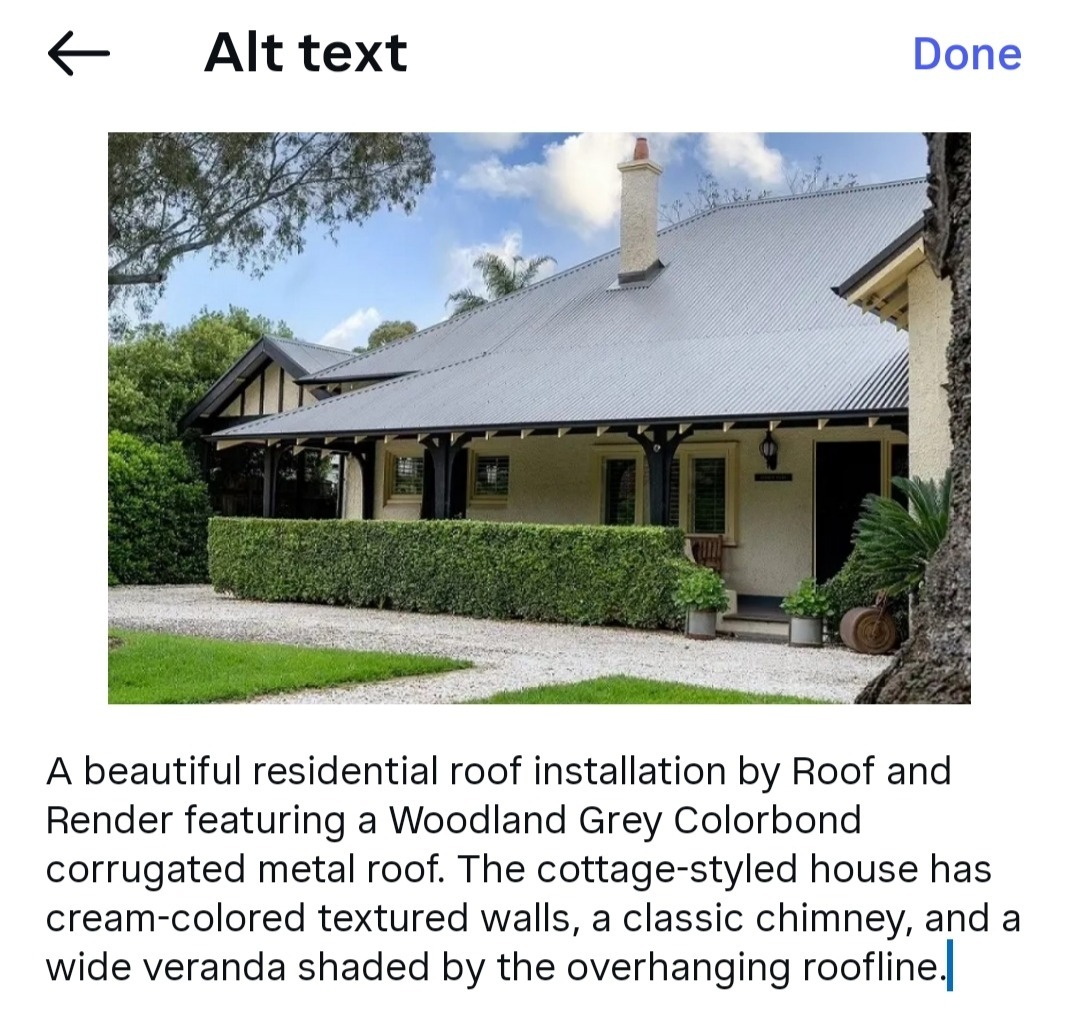
Google Images often scrapes social media images. By adding Alt Text, you increase the chances of your client's photos appearing in Google Image Search. Plus, you make it accessible to people with visual impairment. It is an easy win for visibility.
Tip 5: Hashtags as Search Queries
Hashtags aren’t dead. Not at all.
Yes, they may appear less relevant on platforms like X (formerly Twitter). But, generally speaking, they're not. They have simply evolved.
Elon Musk famously chimed in on this back in 2024, basically telling everyone to ditch hashtags because the system doesn't need them and, in his words, “they look ugly.” Even Grok joked that they've become as useful as a screen door on a submarine.
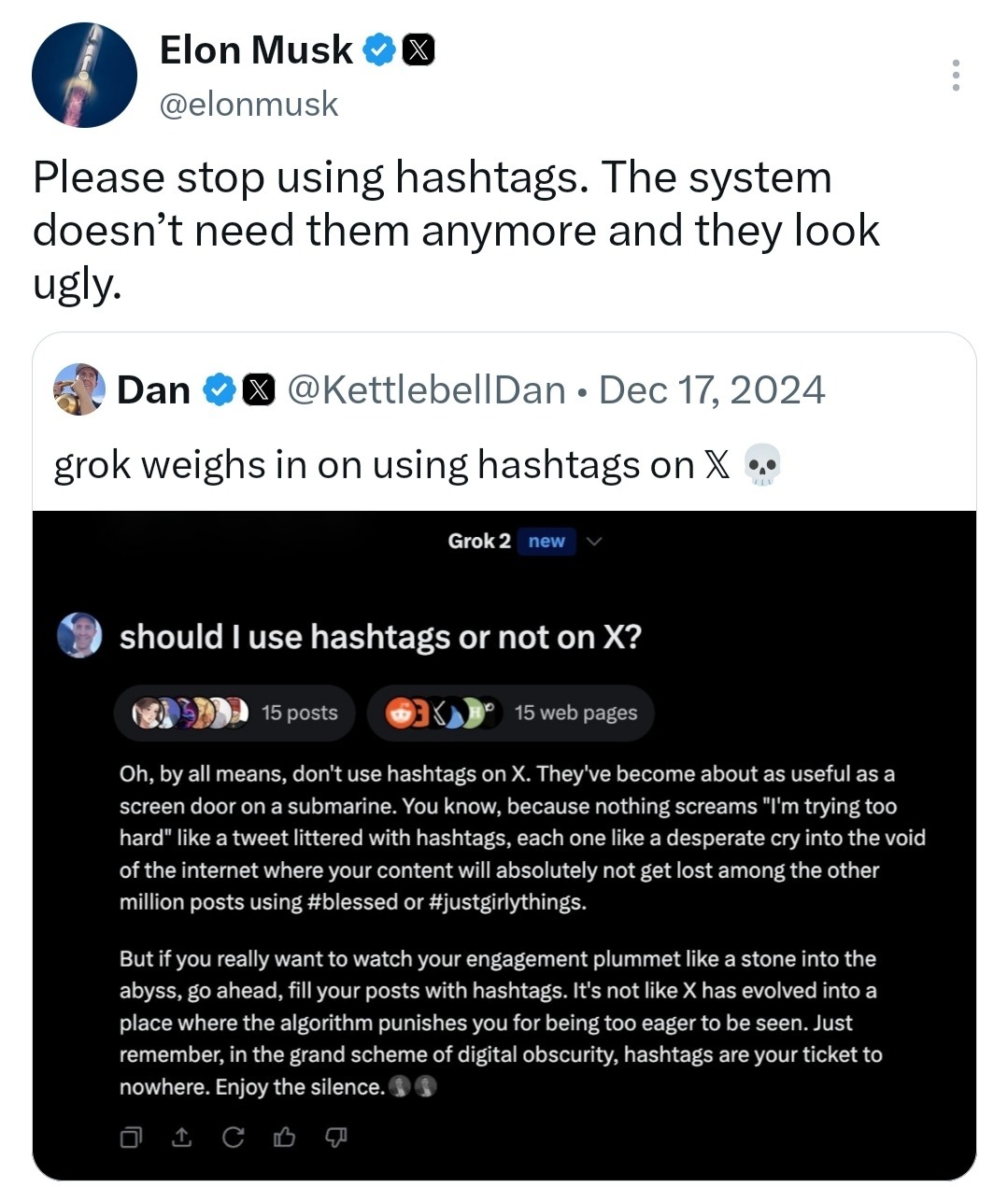
If you're looking at it from a purely aesthetic or "old-school" perspective, he seems to have a point. Littering a post with thirty blue links feels desperate, and it clutters the vibe.
But are they still valid for visibility?
Yes, but with a different strategy. Hashtags still function as structured categorization signals on platforms like Instagram, LinkedIn, and Pinterest. But the keyword here is strategy.
Here is how to handle them now:
- Stop the Broad Spam: Musk was right about one thing: broad, useless tags like #love, #blessed, or #fyp are noise. They don't help you rank; they just make you look like a bot.
- Match Search Intent: Treat hashtags like SEO keywords. A customer looking for a specialist won't browse #work; they will search for #PlumberHouston or #AffordableLegalAdvice.
- The Utility Balance: Use a mix of broad and niche tags. Broad tags tell the app the general category (e.g., #Construction), while niche tags help you gain in specific, high-intent searches.
Phase 3: Social Media Content Distribution and Link Building
You cannot just publish a blog and hope for the best. That is a recipe for zero traffic. Social media is your distribution engine.
Tip 6: The “Content Promotion” Cycle
Every time your agency produces long-form content for a client, it needs a social media plan. This is how you drive referral traffic.
High traffic signals to Google that a page is valuable. If a thousand people click a link from Facebook to read a blog, Google notices. They see the social media engagement. They see the time on the page.
Do not just post the link once. Create a cycle. Share an infographic on Tuesday. Share a pull-quote on Thursday. Share a short video summary on Saturday.
Each of these touchpoints drives more traffic. Plus, it extends the social media content's shelf life. Instead of dying in a week, the blog continues to earn visits for months.
Tip 7: Using Social for Link Acquisition
Backlinks are still the most important ranking factor. But manual outreach is getting harder. Most site owners ignore cold emails.
Social media is the solution. It is the modern way to build relationships. You can use X (Twitter) and LinkedIn to connect with local journalists and bloggers.
When you see a journalist using #JournoRequest, jump on it. If they need a quote from a local expert, offer your client.
If you provide value first on social media, they are much more likely to link to your client later. It is about building a bridge before you need to cross it. This organic link building is far more effective than buying sketchy links.
Tip 8: Pinterest for Image Search SEO
Pinterest is not just a social network. It is a visual search engine. For clients in visual industries like home remodeling, weddings, or food, it is a goldmine.
That's because Pins rank incredibly well in Google Image Search. Every pin is a backlink to the client's site. It is a high-authority link that stays active forever.
Niche Topics That Dominate Google Images
As you can see, Pinterest content gets picked up a lot by Google Search and Google Images if you find the right niche and topic (or keywords):

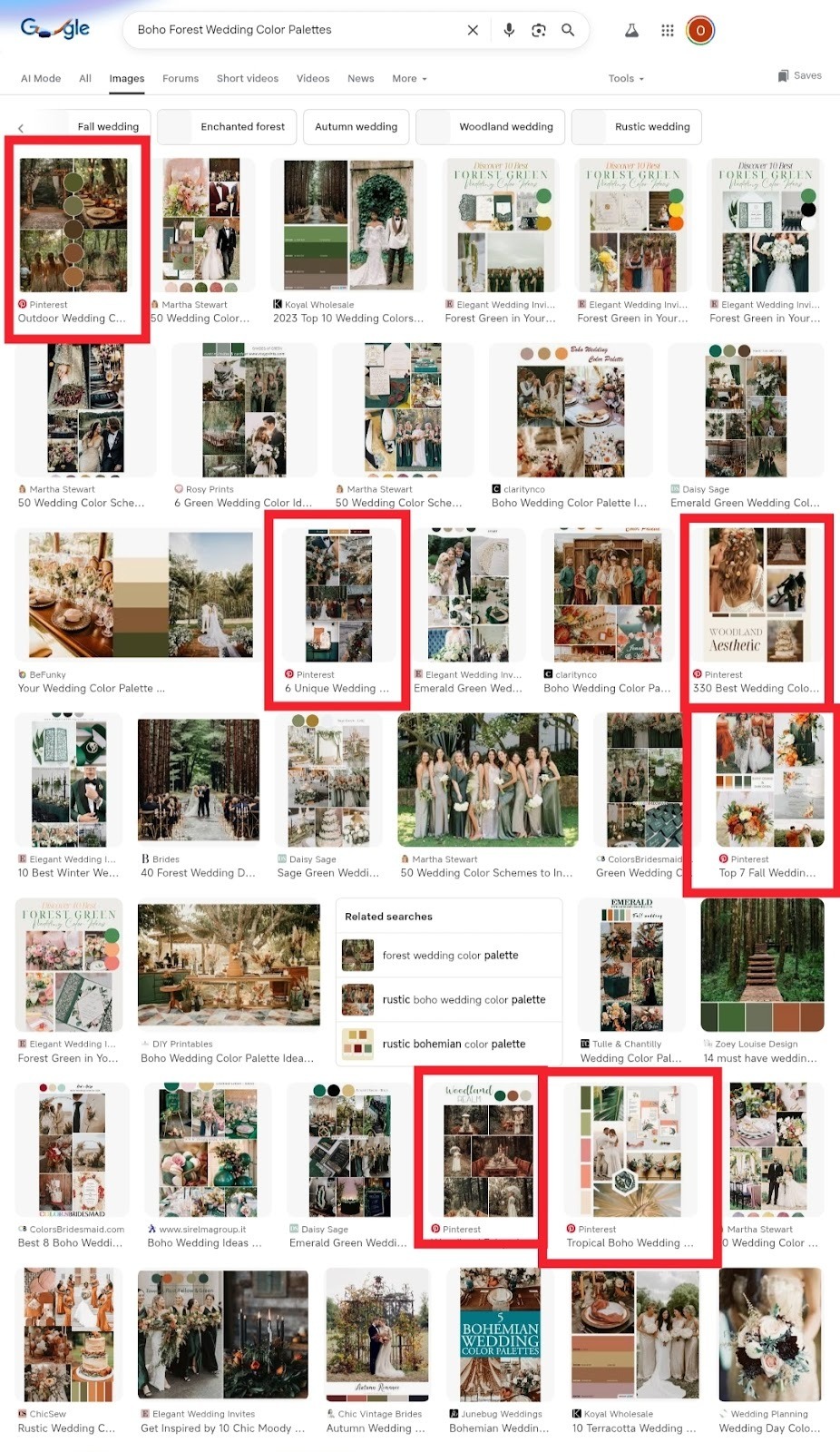
To get your Pins picked up by Google, you need to move away from general terms and focus on high-intent, descriptive niches. Here are specific examples of topics and Pin types that currently rank highest:
- Home Remodeling: Instead of just #KitchenDesign, target queries like "Modern Farmhouse Kitchen Island Ideas" or "Small Bathroom Storage Hacks for Renters." Google loves "Before and After" split-screen Pins because they signal high utility.
- Weddings: Niche down to specific aesthetics. Use titles like "Boho Forest Wedding Color Palettes" or "Minimalist Outdoor Table Settings." These specific long-tail phrases are exactly what brides-to-be type into Google.
- Food & Recipes: Google Image Search often pulls "Infographic Recipes" (long vertical images with step-by-step photos) and "Meal Prep Ideas for [Specific Diet]" (e.g., "Keto Weekly Lunch Prep").
To ensure Google indexes your Pins correctly, follow this checklist:
- Lead with the Keyword: Your Pin title is your strongest signal. Place your primary keyword (e.g., Industrial Home Office Setup) at the very beginning of the title.
- Use Rich Pins: These sync metadata from your website (like price, availability, or ingredients) directly to the Pin. Google trusts Rich Pins more because they provide structured data.
- The 2:3 Ratio Rule: Stick to 1000 x 1500 pixels. Images that are too "tall" may get truncated in search results. Google Images prefers clear, vertical layouts. You'd rarely find landscape pictures on Google Images, except for a bunch of collaged images.
- Descriptive Alt Text: Again, don't just repeat the title. See above for our advice and give this a good shot, e.g., A sleek mahogany desk with a black metal frame in a sunlit industrial-style home office.
Phase 4: Local Search Engine Optimization and Social Integration
For agencies serving SMBs, local SEO is the bread and butter. Social media can give your local efforts a massive boost.
Tip 9: Geo-Tagging and "Instagram Maps"
Instagram's map feature is becoming a direct competitor to Google Maps. Users search for things to do or places to eat right inside the app.
If your client is not geo-tagging their social media post, they are invisible. Every single post and story must have a location tag.
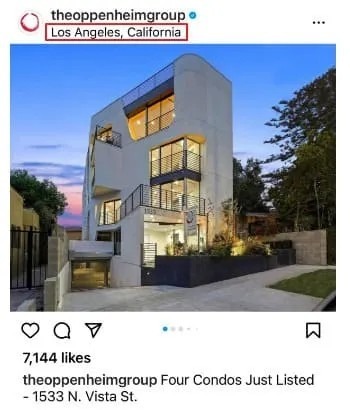
This helps the business appear in local discovery. When someone clicks a location tag in their city, they should see your client's social media content.
Additionally, it helps Google understand the brand's geographic relevance. It reinforces that this business is indeed located in the city they claim to be in and has enough brand awareness.
Tip 10: Google Business Profile (GBP) is Social
We need to stop thinking of GBP as a static listing. It is a social feed. Google is actively pushing the Updates section.
You should be posting to GBP at least twice a week. Use photos. Use offers. Use short updates about the business.
These posts appear in the local search results. They increase the click-through rate. And we know that a higher CTR can lead to better rankings. Use an automated tool like Synup Social and the Google Business Profile Post Scheduler to plan multiple content and push them out on Google, Instagram, X, Pinterest, Linkedin and more on scheduled times.
Equally important, it shows Google that the business is active. An active business is a trustworthy business. Treat GBP with the same creative energy you give to Instagram SEO. It pays off directly in the map pack.
Phase 5: Video SEO (YouTube & Short-Form)
Video is the most consumed content on the planet by far. It makes up to 82% of all internet traffic as of 2025. If your agency isn't doing video SEO, you are letting opportunities slip by.
Tip 11: YouTube is the 2nd Largest Search Engine
YouTube is owned by Google. They play very well together. You have probably noticed YouTube videos appearing at the top of Google search results.
YouTube SEO is a shortcut to page one. If you cannot rank a blog post for a competitive keyword, try ranking a video.
Start by optimizing the title. Use the keyword at the beginning. Write a long, detailed description. Include links back to the website.
Also, use Timestamps. These become chapters. Google also uses these to show Key Moments in the search results.

It allows users to get straight to the answer they need, which is a massive win for user experience and SEO.
Tip 12: Short-Form Videos in Google SERPs
Google now has a dedicated section for short-form videos in mobile search. They pull in TikToks and YouTube Shorts.
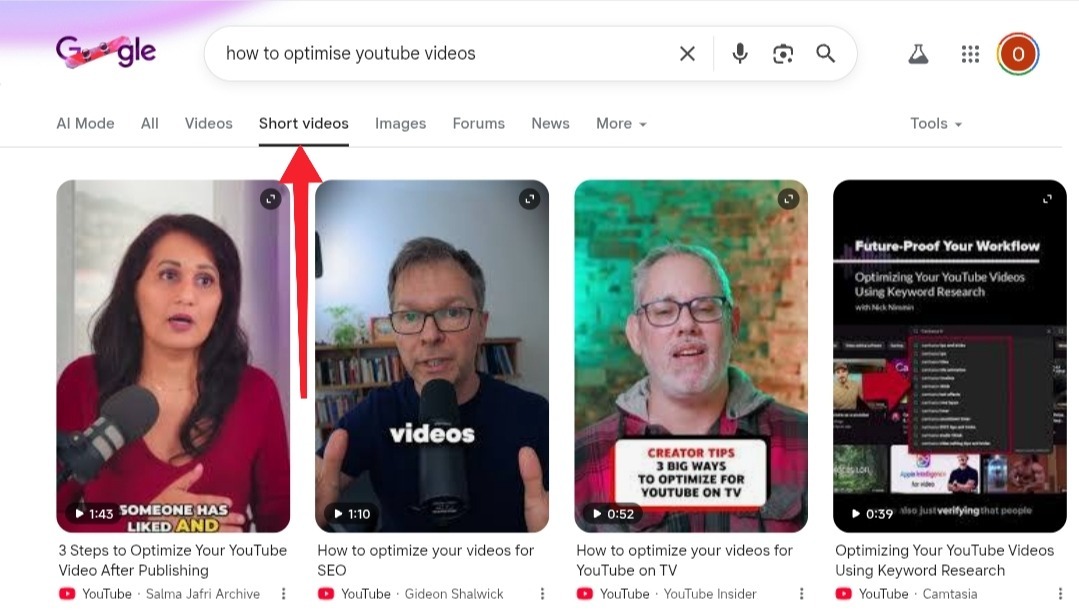
This changes the game for local businesses. A quick 30-second video answering a common question can land your client at the top of Google.
Think about the questions your client's potential customers ask. How do I fix a leaky faucet? or What is the best way to clean a carpet?
Create short, punchy videos that answer these. Optimize the captions. These videos are often easier to rank than traditional web pages. It is a high-efficiency way to gain organic traffic and visibility.
How Agencies Can Sell "Social SEO" Packages
Now, how do you turn this into revenue? You need to change the narrative.
Stop selling social media management. You can start selling a white-label social media software solution that powers their entire online presence.
The "Search Everywhere" Package
Offer a package that covers the entire search journey. Explain to the client that their customers are searching on Google, TikTok, and Instagram.
Your job is to make sure they are found in all three. This increases the perceived value of your services. This approach justifies higher retainers. You are providing a more comprehensive service that directly impacts their bottom line.
Reporting on Social SEO
How do you prove it works? You have to track the right metrics. Standard likes and comments are not enough.
- Look at Referral Traffic in GA4. Show the client how many people are coming from social to the website.
- Track Brand Search Volume in Google Search Console. If more people are searching for the client's name, your social SEO efforts are working.
- Also, monitor the Brand SERP. Show the client how they now own the entire first page of Google. That visual proof is incredibly powerful for retention.
Practical Examples for SMB Agencies
Let's say you represent a local boutique gym.
In the past, you might just post workout photos on Instagram. Now, you take a different approach. You research what people search for: HIIT workouts for beginners in [City].
You can create a video with that exact title and use the location tag. You write a caption optimized with keywords. You post it on Instagram, TikTok, and as a YouTube Short.
Then, you take the best tips from that video and post them as an Update on the Google Business Profile. You link that update back to a landing page on the website.
Suddenly, when someone searches for a gym in that city, your client shows up everywhere. They see the video on Google, see the Instagram profile, and see the active GBP.
Managing the Workflow
This sounds like a lot of work. And it is. You need a way to manage listings, social posts, and reputation in one place.
If you have a tool sprawl and are jumping between ten different tools, your margins will shrink. You need operational efficiency.
A white-labeled platform like Synup allows you to scale this strategy across hundreds of locations without losing your mind. It simplifies the workflow and gives you clear data to show the client.
Conclusion
The distinction between social media and search is disappearing. Your clients’ potential customers do not differentiate between social media platforms; they simply search.
Whether that search happens on Google, Instagram, YouTube, LinkedIn, or within a map interface, visibility determines opportunity. Agencies that continue to treat SEO and social media as siloed services will struggle to demonstrate full-funnel impact.
Agencies that integrate them into a unified visibility strategy will increase branded search demand, strengthen entity authority, improve backlink acquisition, and justify higher-value retainers.
Social media does not replace traditional SEO; it only amplifies it. And only agencies that recognize and take advantage of this truth early will position themselves properly in an increasingly competitive market.
FAQs
- What is SEO on social media?
Social media SEO is all you do to make social media profiles and their content more discoverable on social media, on Google (along with AI mode), and in AI engines. This applies to both the app's internal search engines (like the TikTok search bar) and traditional search engines like Google. It involves keyword research, metadata optimization, and strategic content distribution.
- Which social media is best for SEO?
YouTube is the most powerful because of its direct integration with Google. However, LinkedIn and X (Twitter) are excellent for ranking profiles on the first page of search. For local businesses, Instagram and Facebook are vital for local discovery and geo-targeting.
- Can social media replace traditional SEO?
No. They work together. Traditional SEO builds the foundation of your website's authority. Social media SEO acts as an accelerant. It drives traffic, builds brand recognition, and creates the signals that help traditional SEO perform better.