Ultimate Guide to Agency Project Management: Save Time & Scale Efficiently
Learn how to run smoother, more profitable projects with clear systems for agency project management. Control scope creep, save time, and scale without burning out.
If you’ve ever worked in a typical agency, you already know what organized chaos looks like in action. Everyone's got deadlines they're chasing with Slack groups and inboxes blowing up. A client is suddenly changing their logo mid-campaign. Then the account manager promises a “quick revision” that somehow eats into your weekend. A small tweak that turns into a full website redesign after days of back-and-forth.
But hey, that’s agency life! It's fast-paced, exhilarating, and downright difficult to keep up with without the right systems.
At Synup, we’ve seen agencies that run like clockwork, and we've also seen others that crumble under their own weight. The difference isn’t talent but how they manage projects. We’ll break down what makes agency project management work, why traditional frameworks often flop in creative environments, and how you can build systems that save time and your profit margin.
TL;DR: Guide to Agency Project Management
- Agencies lose up to $30K monthly to unbilled work and burnout from messy processes. A proper structure fixes that.
- Core principles of effective agency project management:
- Clarity
- Communication
- Accountability
- Flexibility
- The agency project lifecycle: Agencies that scale run projects in seven repeatable stages:
- Discovery & Onboarding: Clarify goals, KPIs, and approval processes.
- Scope Definition & Contracts: Get everything in writing and revisit scope regularly.
- Planning & Resource Allocation: Assign based on capacity, not optimism.
- Execution & Collaboration: Maintain visibility with dashboards and shared channels.
- QA & Review Loops: Timebox feedback rounds and separate internal QA from client reviews.
- Launch & Delivery: Confirm all approvals, run checklists, and archive properly.
- Post-Mortem & Learnings: Review every project, document lessons, and turn them into SOPs.
- Methodologies & frameworks for agencies:
- Agile: Best for evolving campaigns like SEO or social media.
- Waterfall: Ideal for fixed deliverables such as brand identity or web builds.
- Hybrid: Plan like Waterfall, execute like Agile. Most agencies use this flexible blend.
- Best practices & advanced tactics:
- Time Management
- Scope Creep Control
- Risk Mitigation
- Feedback Loops
- Continuous Improvement
- Tools & tech stack for agencies
- Project Management: Synup, ClickUp, Asana, or Notion to track tasks and automate updates.
- Time Tracking: Harvest or Toggl for billable hour visibility.
- Collaboration: Slack, Loom, Miro, and Google Workspace for shared communication.
- Dashboards: Use unified reporting via Synup OS to manage multi-client workflows from one place.
- Scaling project management for agency growth:
- Define clear roles (PM lead, ops manager, resource lead).
- Automate repetitive admin tasks.
- Build SOPs, reusable templates, and integrate sales with project management.
- Common challenges & how to solve them:
- Scope creep
- Client delays
- Resource bottlenecks
- Miscommunication
- Burnout
Why Agency Project Management Matters
Most agencies without a management system run on chaos and caffeine. The work’s great, the clients are big names, but behind the scenes, things are really messy.
Everyone’s busy doing five things at once. There’s no breathing room. Without a proper process, everything turns into last-minute panic. Here's why agencies need project management to run or scale:
“Normal” Project Systems Don’t Work in Agencies
Big companies use project systems that work when everything stays predictable. That’s not agency life.
In agencies, things change every hour. The client’s idea of “final” creative isn’t really final. A social campaign can get scrapped because someone higher up had a new idea. Or a shoot may get delayed because the model got sick.
Next thing you know, your perfect timeline is useless.
You may have three campaigns going. One client sends over a 15-slide deck of changes. Another hasn’t approved last week’s ad. Your designer looks like they’re about to quit…
Well, it’s the price you pay for not having a clear system that keeps everyone on track.
A lot of agencies call it “moving fast,” but really, it’s just running around in circles.
What Poor Project Management Really Costs
Messy, unmanaged processes are always expensive.
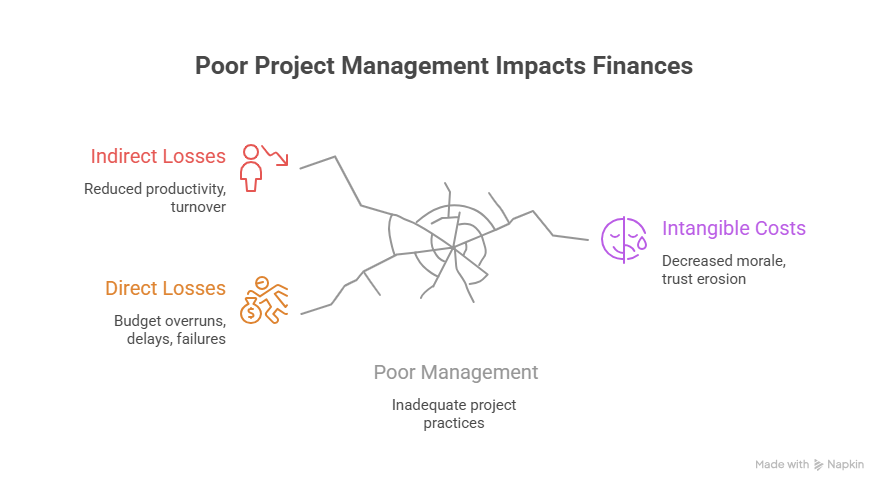
Almost 80% of agencies do free work without even noticing it. About one in seven said that it costs them between $20,000 and $30,000 every month, while another third lose $1,000 to $5,000 monthly in unbilled time.
Even worse, half of all projects face scope creep (extra work outside the original plan), and only 57% finish within budget.
But it’s not just money. It’s people. It’s your designer who hasn’t had a weekend off in months. Your account manager answering emails at midnight. It's also the client you lose because the team was too exhausted to deliver on time.
If this sounds familiar, you’re not the only one. A lot of agencies have been there. The difference between those that burn out and those that grow is process.
Core Principles of Effective Agency Project Management
No app or tool can fix a broken process. You can spend hours setting up dashboards and boards, but if your team doesn’t have structure, you’re still going to be chasing your tail. The core principles of effective project management come down to four things: clarity, communication, accountability, and flexibility.
- Clarity: Stop The Surprise Requests
Here’s what all the last-minute fix-its trace back to: someone thought the deliverable included X, someone else thought Y, and nobody agreed on Z.
Say you quoted “three videos” for a client. They come back at the final review saying, “Great, can we also get 15-sec social cuts and a 30-sec version?” That’s not exciting client behavior. That’s unplanned work dragging you out of the scope and backwards.
One agency owner shared that when it comes to scope creep, they often stay on good terms with clients they want to keep, so instead of fighting, they say: “Absolutely, we can add that, since it’s outside the original deliverables, I’ll send you an estimate and timing.” They’re friendly, but firm.

That one line resets expectations and stops the “just one more thing” creep that eats into margins, especially when you've got a team that gets paid hourly and can spend that time on a full ad copy.
Here’s how to apply clarity:
- At kickoff, get the answers: What problem are we solving? What’s the actual final asset (specs, version counts)? Who signs off? What’s not included? How do we measure whether we nailed it?
- Use a “scope sheet” that lists exactly what you deliver (e.g., 45-second film + 1 version; no social cuts unless budget added).
- Introduce a change request clause: anything outside the agreed scope triggers a new cost/timing update.
For instance, let's say you run a branding studio, you can introduce a “max three revisions” rule. Beyond 3 rounds, hourly charges kick in. Watch how your client's revision requests drop right after.
Also Read: Your Guide to Agency Time Tracking: Where to Start and What Tools to Use
- Communication: Cut the Static, Send the Message
In a lot of agencies we’ve seen, there’s tons of talking but no alignment. Slack threads spiralling, “quick” calls that drag on and on, clients getting updates maybe twice a week, maybe not.
Here’s what actually makes a difference:
- Monday morning, 15-minute stand-up: each person names one thing done, one thing blocked.
- Mid-week: send a quick written check-in (no meeting) that says: where we are, what we’re doing, and what’s the next step.
- Friday: send the client a one-pager or dashboard snapshot; even if “all good, nothing new” is the message.
- Set a feedback window: client has 2-3 days to review. After that, the work goes into the next cycle.
- Accountability: One Person Owns That Deliverable
If you’ve ever sat in a meeting where half the team thought someone else was on a job that didn't get done, welcome to the productivity pit. Accountability means one name beside one job; nothing like “the team will handle it.”
So, use a simple model we call RACI:
- Responsible = does the work
- Accountable = owns that someone signs off
- Consulted = gives input
- Informed = just needs to know
To ensure the team stays accountable, here are metrics to track:
- Utilisation rate: Are people doing billables or piling up time-waste?
- Delivery rate: How many projects actually get delivered when you said they would?
- Margin per project: After revisions and delays, are you still profitable?
And about meetings, if there’s no decision, value, or next step, skip it. Also, when everyone owns something, you don’t have blame games. You have delivery.
Take This Further: Find the Ideal Marketing Agency Structure: 7-Step Guide & Best Practices
- Flexibility: Come to Expect the Curveballs
No matter how tight your plan is, something’s gotta give. Client changes. Platform algorithm shifts. A key designer is out sick (or may turn in their resignation). That’s normal, but many agencies act surprised every time it happens.
- Add 10 to 15% extra time to your project timelines. Call it your “creative margin.”
- Keep a bench of trusted freelancers or partners who can jump in when the load spikes.
- Monitor team capacity weekly. If utilisation hits ~85%, you’re at “red alert”. Don’t take new big projects, push to outsource or delay.
Flexibility isn’t about letting chaos happen, but planning like you know it will. That way, when things go sideways, you roll with it instead of sinking.
The Agency Project Lifecycle
Agencies that scale well treat every project like a cycle. It has seven key stages, and skipping one always costs you later.
Here's how it works in a healthy, well-run agency.
- Discovery & Onboarding
This is where you get the lay of the land. You sit down with the client and learn what they’re really trying to achieve. Not just the surface deliverable, but the goals, KPIs, audience, and what’s been slowing them down so far.
A proper kickoff call sets the tone for everything. Ask the kind of questions that get clarity early:
- What does success look like for you?
- Who’s approving this?
- What happens if priorities change mid-way?
It’s the agency version of a first date. Listen more than you talk.
Learn More: 8-Step Client Onboarding Process for Marketing Agencies (+ Checklist)
- Scope Definition & Contracts
Here’s where you draw the lines. Define what’s included, who’s doing what, and how long it’ll take.
It’s also where you protect your agency from accidental “extras.”
Get a signed statement of work (SOW) and a detailed scope document before the team starts working.
Then, revisit that doc before every new phase. Most agencies that lose profit to scope creep do it right here because they treat this stage as “paperwork” instead of a living reference point.
Here’s a starting point: Sample SEO Contract Templates for Marketing Agencies
- Planning & Resource Allocation
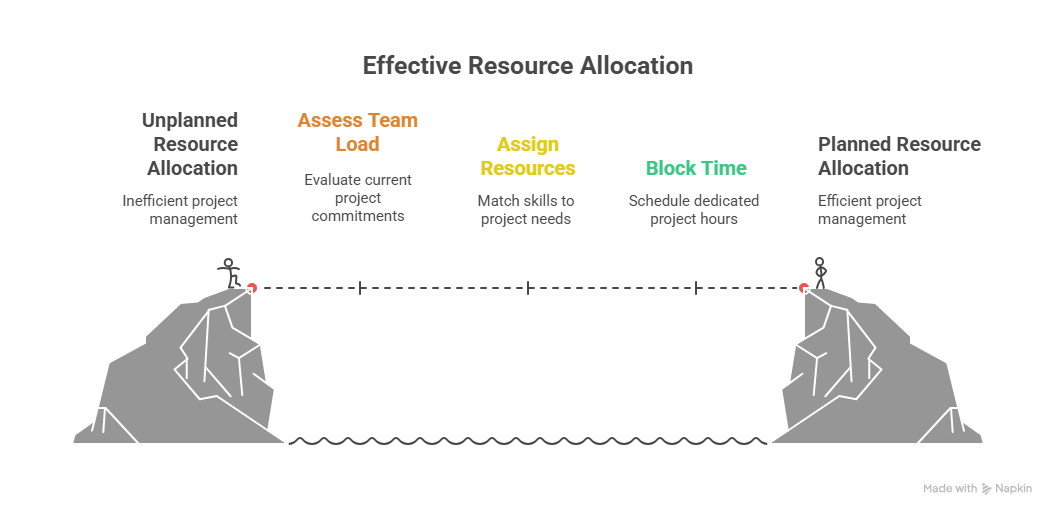
Once the scope is clear, it’s time to plan who’s doing what. Look at your pipeline and team load honestly. Don’t promise a three-week turnaround if two of your designers are already on other projects.
Assign the right people for the job, block their time, and build in backup options for holidays or sick days.
- Execution & Collaboration
This is the heartbeat of agency life. Ideas turn into deliverables here. Writers, designers, developers, and account managers all start moving at once.
To keep the agency under control, everyone needs visibility. Daily status updates, one shared dashboard, and clear file naming save hours of “where is that asset?” back-and-forth.
- QA & Review Loops
Quality assurance doesn't end at checking grammar or visual alignment. You need to verify that the work actually solves the client’s problem.
Set a structure for review rounds. Three rounds max works best for most teams. For a content marketing agency, this can include rounds by the SEO specialist, the editor, and the client's editors.
Make sure you timebox them. If clients take two weeks to respond, it’s not your fault the schedule slips.
Keep internal QA separate from client review. Your team should catch the rough edges before it ever hits the client’s inbox.
- Launch & Delivery
This is where it all comes together. Whether it’s a campaign going live, a website handover, or a brand rollout, this stage is about smooth execution and confidence.
Run a delivery checklist. Confirm files, links, and credentials before sending anything over.
Double-check that all client approvals are documented and stored. Once it’s delivered, archive your assets properly so nothing goes missing later.
- Post-Mortem & Learnings
Once the dust settles, sit down with your team (even for just 30 minutes) and see what worked and what didn’t.
A video production house can run these post-mortems every month. Within a quarter, you could realize that timeline delays aren't from production at all but from clients not providing assets early enough.
That’s what project maturity looks like: every mistake becomes a new rule, every delay a new system fix.
Read More: 12 Marketing Agency Management Tips to Grow Your Business
Methodologies & Frameworks for Agencies
Frameworks are like diets. Everyone swears theirs works best until real life kicks in. Here’s a no-nonsense version for agencies.
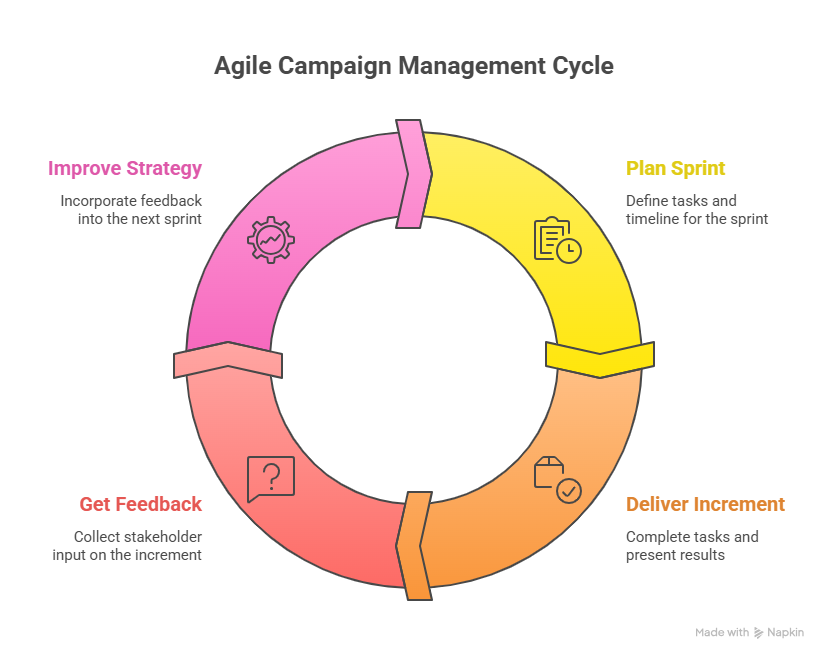
Agile: Great for Campaigns That Evolve
Agile works best when projects are iterative: content calendars, local marketing campaigns, SEO sprints, etc.
You plan short sprints (1–2 weeks), deliver something, get feedback, then improve. It’s fast, collaborative, and forgiving when things shift.
Waterfall: Good for Fixed Deliverables
Waterfall fits when the brief is set in stone: brand identity, web builds, or animation work.
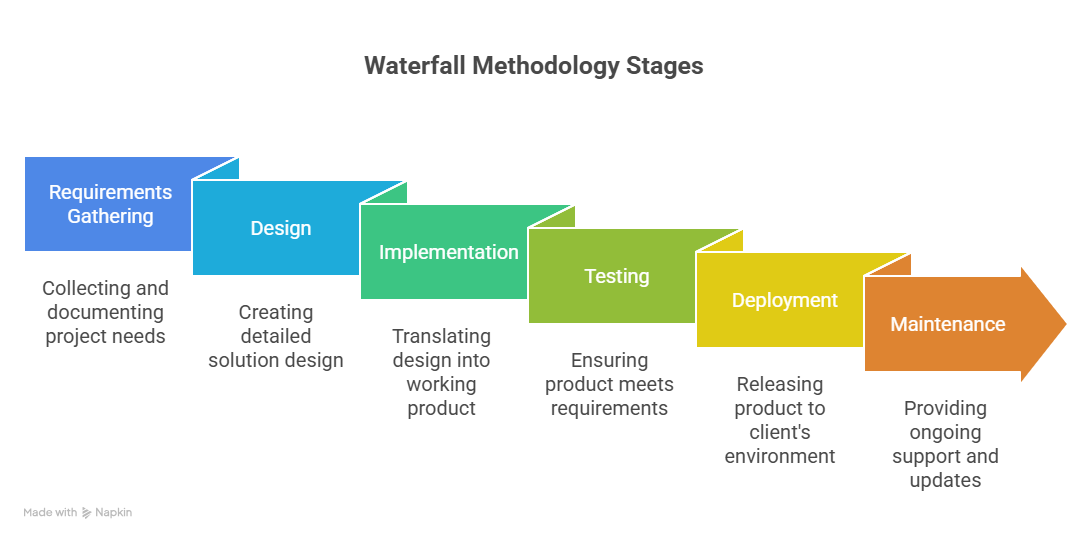
You finish one stage before starting the next. It’s slower to adapt, but more predictable.
The key is no changes mid-flow. You lock the scope before kickoff.
Hybrid: The Agency Sweet Spot
Most agencies use a blend. Plan like Waterfall, execute like Agile.
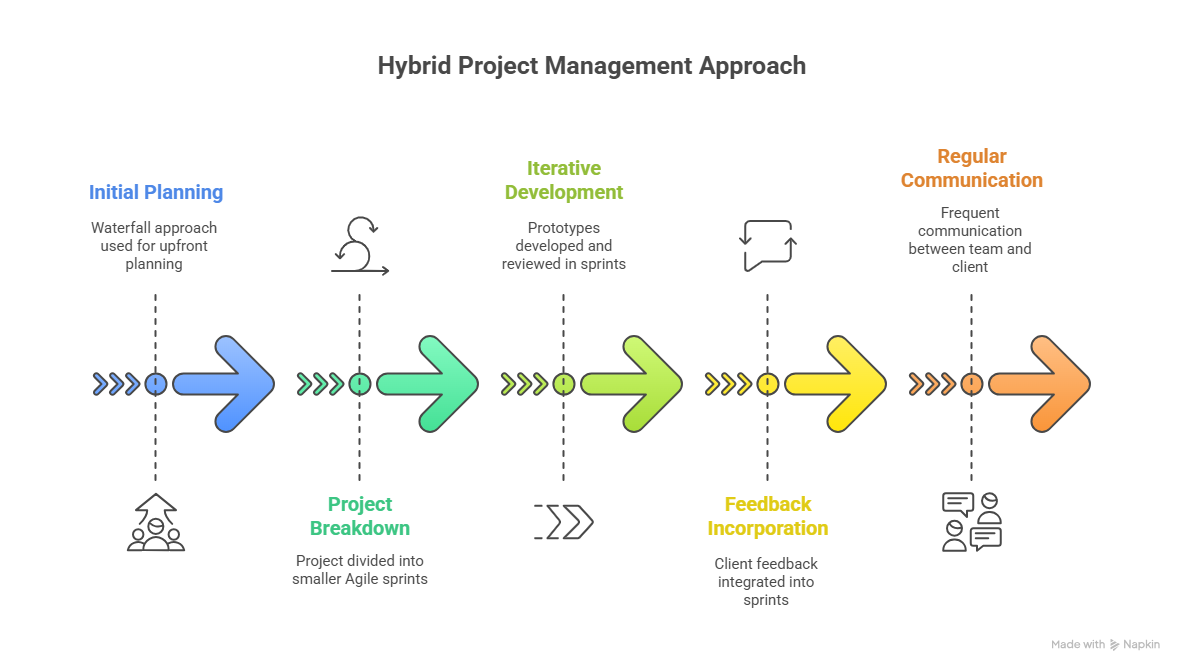
You build the foundation, then adapt as feedback rolls in. Here’s a simple guide:
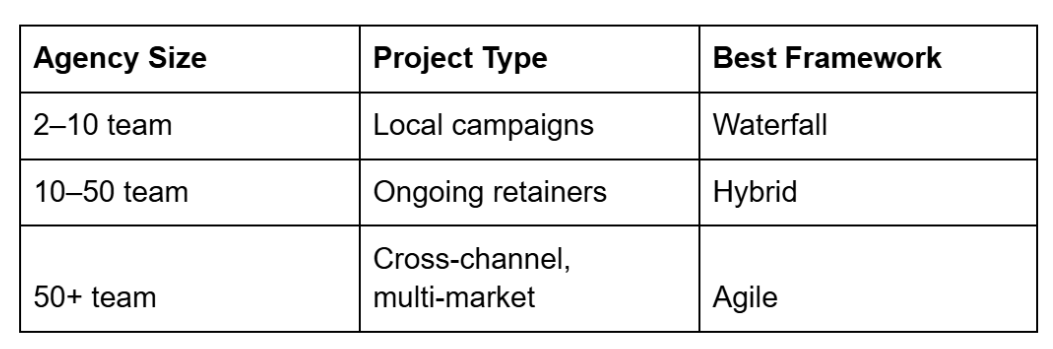
At the end of the day, don’t obsess over the label. Pick what fits your rhythm.
A smart project manager advertising agency pro adapts frameworks to the team, not the other way around.
Best Practices & Advanced Tactics
SEO, branding, or agency project management is about setting boundaries, managing time smartly, and keeping your people (and clients) sane.
Here are the best practices and strategies that work when you’re in the trenches.
- Time Management & Prioritization
Time isn’t just money. It's profit, reputation, and your team's mental health rolled into one. Most agencies lose profit because they underestimate how long “simple” tasks take.
So, start by grouping your work. Ensure all revisions, approvals, and reports are done and approved at once. Jumping between tasks kills your focus. Task switching can eat up 40% of your productive time. That’s nearly two full workdays a week gone.
Set up short sprints, one or two weeks at most. Each sprint has clear deliverables.
Then, track where your time goes. Tools like Toggl or Harvest are helpful, but even a shared spreadsheet works.
- Scope Creep Control
We’ve talked about how most agencies admit they often do out-of-scope work without charging for it. Here’s how you can stay ahead of scope creep:
- Make the scope document a living file. Go over it at kickoff, then again halfway through.
- Use a change request form that automatically adds cost and time for new work.
- Create a menu of add-ons (extra social cuts, more versions, faster turnaround) so clients can choose, and you stay profitable.
- Feedback Loops
The fastest way to lose control of a project is with unstructured feedback.
Here’s what structured feedback looks like:
- Set clear feedback phases in your timeline.
- Limit review rounds before they become billable.
- Use one shared tool for feedback, not five email chains.
Internally, have your creative team conduct peer reviews before sending work to clients. You’d be surprised how often a teammate catches a missing comma or a typo before it turns into an embarrassing client email.
- Continuous Improvement
A great agency documents mistakes, instead of repeating them.
After every big project, run a short post-mortem. Ask three questions:
- What went well?
- What caused delays?
- What should we fix next time?
Track key data in your dashboard: utilization rate, margin per project, and on-time delivery rate. Those numbers don’t lie.
Tools & Tech Stack for Agencies
The best tools are the ones your team uses. Here’s a simple tech stack most agencies can run with:
- Project Management: Choose one tool, such as Synup, Asana, Monday, or Notion, and stick with it. Having one clear system helps you manage deliverables and streamline routine updates.
- Time Tracking: Harvest or Toggl, essential for knowing how much your “quick fixes” really cost.
- Collaboration: Synup for email automations, Slack for chat, Loom for quick updates, Google Workspace for files, and Miro for brainstorming.
- Dashboards: Connect everything into one view so clients see progress and reports clearly with client dashboards.
If you’re managing multiple clients, Synup OS ties it all together. It integrates multi-client workflows, dashboards, and reporting into a single, clean hub, so your projects, metrics, and communications stay in sync without using multiple tools.
Learn More: Why We Built Synup OS and How It’s Changing the Game for Agencies
Scaling Project Management for Agency Growth
Growth isn’t always about doing more work. It is about working smarter.
As you scale, define roles early. A PM lead focuses on delivery, an ops manager handles systems, and a resource lead balances workloads. This keeps senior creatives from getting buried in admin.
Next, build SOPs and templates. If you already have the perfect onboarding checklist or timeline format, use it again. Repetition is what makes agencies scale profitably.
Automation helps as well. Set up workflows that create tasks the moment a deal closes or send weekly progress emails without human involvement. That is time saved every single week.
Finally, keep sales and PM teams aligned. If sales signs five clients without checking capacity, the result is chaos.
Here’s a quick checklist for scaling:
- Assign clear roles and responsibilities.
- Automate repetitive admin work.
- Track capacity weekly to avoid overload.
- Create reusable templates for onboarding and delivery.
- Align PM, sales, and client success teams.
Common Challenges & How to Solve Them
Every agency hits the same walls: too many requests, too little time, and too many cooks in the inbox. We’ve covered it all, but if you want the TL;DR, here’s a quick rundown on how to deal with the usual suspects.
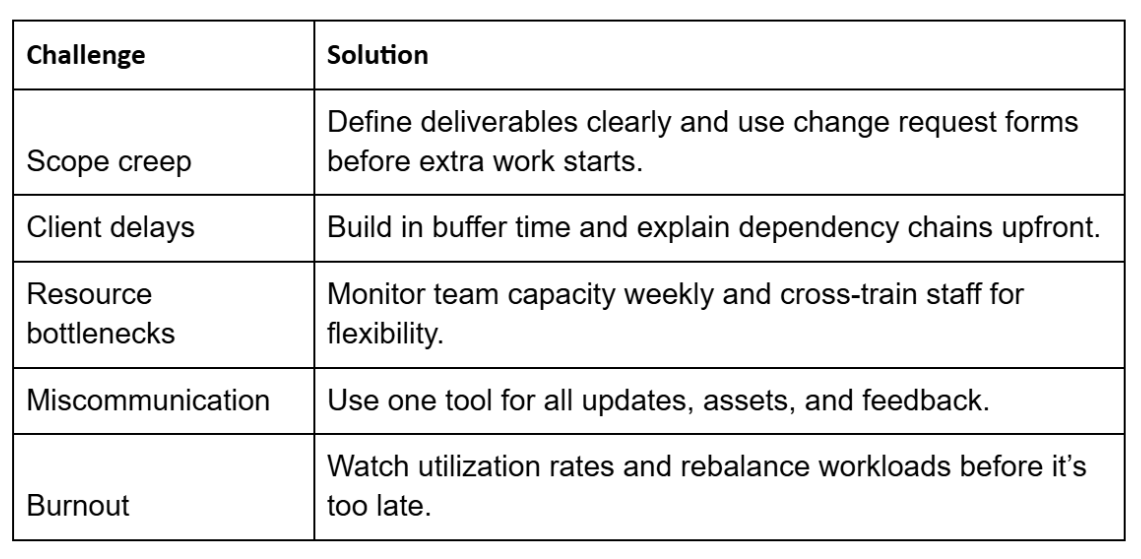
These problems don’t just disappear. However, smart agency project management keeps them from spiraling.
Conclusion
Running a team without an agency project management system can feel like trying to finish five client calls, six decks, and one urgent “quick change” request before lunch. And somehow, it is always Friday sooner than you expect.
With the right people, clear roles, and a respect for process, everyone knows what they are doing, when it is due, and how to ask for help. A good ad agency project management system does not make you less creative. It gives you the space to actually be creative. It prevents burnout, protects profit, and keeps clients happy because everything runs smoother.
Frequently Asked Questions
- How is project management for marketing agencies different from traditional project management?
Project management in marketing agencies involves creative work that evolves constantly, from client feedback to shifting deadlines. Unlike traditional models (such as construction or IT), agency projects require flexibility, faster turnaround, and greater collaboration between creative and client-facing teams.
- How can agencies prevent scope creep without upsetting clients?
The best way is to set expectations early and keep revisiting them. Use a written scope document, explain what’s included, and introduce a clear change request process. Many agencies also list “add-on options” like extra revisions or social cut-downs.
- How can agencies scale project management effectively as they grow?
Start by documenting everything that works: onboarding templates, feedback checklists, and delivery workflows. Automate repetitive admin tasks like time tracking or status reports. Hire a dedicated PM lead before things start breaking. Finally, align PM, sales, and client success teams so your pipeline and delivery stay in sync.