
Diffusion d'e-mails à froid pour le référencement local

Découvrez comment configurer la diffusion par e-mail à froid pour le référencement local. Améliorez la délivrabilité, automatisez les suivis et augmentez la réponse des clients. Commencez dès maintenant
Vous passez des heures à réfléchir et à rédiger le parfait e-mail froid. Vous appuyez sur Envoyer, vous attendez mais vous ne répondez pas. Vous changez la ligne d'objet, vous modifiez peut-être certaines phrases. Toujours rien. Vous demandez à Reddit, et quelqu'un répond : « Cold Outreach est mort ». Mais est-ce vraiment le cas ?
La vérité, c'est que le cold email n'est pas mort, il a juste été mal fait. Les propriétaires d'entreprises locales, les agences de marketing et les consultants envoient souvent des messages depuis Gmail sans configuration, sans ciblage et sans suivi.
Avec le bon système en place, le cold email peut faire plus qu'attirer l'attention, il peut également générer du trafic piétonnier, des appels et des conversions. Surtout quand tu lances Référencement local services.
Découvrons comment configurer votre système de courrier électronique à partir de zéro et le faire correctement.
TL ; DR : sensibilisation par e-mail à froid pour le référencement local
- Le cold email fonctionne toujours, s'il est ciblé, personnalisé et techniquement solide.
- Choisissez une plateforme de messagerie avec automatisation, suivi et intégration CRM.
- Configurez SPF, DKIM et DMARC pour améliorer la délivrabilité et la confiance.
- Réchauffez progressivement votre domaine pour préserver la réputation de votre boîte de réception.
- Utilisez une liste claire et vérifiée et limitez les envois quotidiens pour protéger la santé de l'expéditeur.
- Rédigez des sujets courts et pertinents qui ont l'air humain et suscitent la curiosité.
- Ouvrez à l'aide d'un crochet personnalisé. Mentionnez quelque chose de local et de spécifique.
- Montrez clairement comment votre service de référencement local résout un problème réel et visible.
- Utilisez des CTA légers, comme un scan, un audit ou un court appel d'introduction pour réduire les obstacles.
- Ciblez les entreprises dont la visibilité est faible, dont les avis sont faibles ou qui ont des problèmes de référencement.
- Évitez d'acheter des listes. Créez le vôtre via Google, Yelp et les annuaires locaux.
- La personnalisation et la pertinence sont essentielles pour obtenir des réponses et renforcer la confiance.
Configuration de votre système de courrier électronique à froid
Vous n'avez pas besoin d'une équipe de vingt personnes ou d'une infrastructure technologique valant des milliers de dollars. Mais vous avez besoin des bons outils et d'une configuration adéquate.
Choix de la plateforme de messagerie : choisissez la bonne arme
Votre choix de Fournisseur de services de messagerie (ESP) questions. Vous ne recherchez pas seulement un outil qui envoie des e-mails ; vous voulez de l'automatisation, de la délivrabilité, du suivi et de l'évolutivité. Voici les meilleurs choix pour la sensibilisation locale:
- Mailshake : Conçu pour être exposé au froid. Modèles faciles, séquences de suivi et suivi des prospects.
- Pros: interface utilisateur simple, abordable pour les petites équipes.
- Les inconvénients: Intégrations limitées avec les CRM.
- Pic : Idéal pour les campagnes au goutte à goutte et le contrôle de la délivrabilité.
- Pros: prend en charge la personnalisation des e-mails à grande échelle.
- Les inconvénients: L'expérience utilisateur peut parfois sembler maladroite.
- Outreach.io : Plus avancé, mieux adapté aux équipes qui mènent régulièrement des activités de sensibilisation à volume élevé.
- Pros: Des rapports fiables et des tests A/B.
- Les inconvénients: Prix plus élevé, courbe d'apprentissage pour les débutants.
Conseil d'intégration : Choisissez une plateforme qui peut se synchroniser avec votre CRM ou même Google Sheets. Vous voulez savoir quels prospects ont répondu, lesquels ont été repoussés et qui a besoin d'un suivi.
Configuration technique : ne sautez pas cette partie
Ignorer cette étape revient à envoyer un courrier sans adresse de retour. Vos e-mails peuvent aller quelque part, mais ils n'arriveront probablement pas là où ils devraient.
Authentification de domaine : votre badge de confiance
Les fournisseurs de messagerie tels que Gmail et Outlook doivent vous faire confiance, et la confiance se gagne grâce à une authentification de domaine appropriée.
Voici ce dont vous avez besoin :
- SPF (Sender Policy Framework) : Confirme quels serveurs peuvent envoyer du courrier pour votre domaine.
- DKIM (DomainKeys Identified Mail) : Ajoute une signature numérique pour prouver que votre e-mail n'a pas été falsifié.
- DMARC (Authentification des messages, rapports et conformité basés sur le domaine) : Donne des instructions sur la marche à suivre en cas de défaillance de votre SPF/DKIM.
Voici une liste de contrôle pour configurer cela :
- Connectez-vous à votre bureau d'enregistrement de domaine
(Il s'agit de l'endroit où vous avez acheté votre nom de domaine, tel que Google Domains, Namecheap ou GoDaddy.)
- Accédez aux paramètres DNS ou à la gestion du DNS
Recherchez une section intitulée « DNS », « Zone DNS » ou « Gérer le DNS ». - Ajoutez ces trois types d'enregistrements DNS :
- SPF (Sender Policy Framework)
Exemple d'enregistrement :
- SPF (Sender Policy Framework)
Nom/Hôte : @
Valeur : v=spf1 Include:YouResp.com ~all
- DKIM (DomainKeys Identified Mail)
Votre plateforme de messagerie vous fournira les enregistrements DKIM exacts à ajouter. Généralement, il s'agit également d'enregistrements TXT. - DMARC (Authentification des messages, rapports et conformité basés sur le domaine)
Exemple d'enregistrement :
Nom/Hôte : _dmarc
Valeur : v=DMarc1 ; p=none ; rua=mailto : you@yourdomain.com
- Enregistrez vos modifications.
Remarque : la propagation complète des mises à jour DNS peut prendre de 24 à 48 heures.
Conseil de pro : Utilisez des outils tels que Boîte à outils MX ou Testeur de courrier pour vérifier votre configuration.
Réchauffez votre domaine : soyez le nouveau venu, pas le spammeur
Si votre domaine est tout nouveau ou n'a pas été utilisé pour les e-mails sortants, ralentissez. Voici une erreur classique :
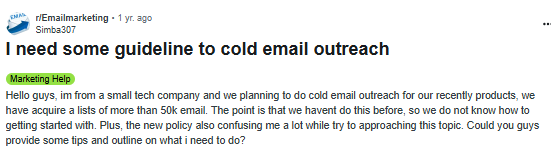
Spammer 50 000 (voire 200) e-mails n'est pas du marketing par e-mail. Vous serez signalé. Si votre domaine est tout nouveau ou n'a pas été utilisé pour les e-mails sortants, ralentissez.
Comment faire chauffer votre domaine :
- Commencez par 10 à 20 e-mails par jour pendant la première semaine.
- Augmentez progressivement de 10 à 15 par jour.
- Utilisez des outils d'échauffement tels que Lemwarm ou la fonction d'échauffement d'Instantly.
- Assurez-vous qu'au moins la moitié de vos premiers e-mails soient envoyés dans de véritables boîtes de réception qui répondent.
Pourquoi cela fonctionne : Les fournisseurs de messagerie surveillent votre comportement. Lorsqu'ils constatent des engagements positifs (ouvertures, réponses), ils commencent à faire davantage confiance à votre domaine.
Meilleures pratiques en matière de délivrabilité des e-mails : évitez de vous retrouver dans le dossier des courriers indésirables
Votre copie géniale n'aura pas d'importance si personne ne la voit. Suivez ces bonnes pratiques en matière de délivrabilité :
- Utilisez une liste d'e-mails propre
- N'achetez jamais une liste. Jamais.
- Vérifiez les e-mails à l'aide d'outils tels que NeverBounce, ZeroBounce ou BriteVerify.
- Supprimer les e-mails non valides ou basés sur des rôles (info@, admin@, etc.)
- Surveillez les taux de rebond
Un taux de rebond élevé est un signal d'alarme pour les fournisseurs de messagerie. Visez un taux de rebond inférieur à 2 %.
Si vous envoyez 100 e-mails et 10 rebonds ? C'est un 10 % taux de rebond. Pas bien.
- S'en tenir à un domaine par campagne
L'envoi à partir de cinq alias (comme contact@, hello@, support@) peut diluer les signaux de confiance. Tenez-vous en à un domaine propre, idéalement distinct de l'adresse e-mail principale de votre entreprise.
- Limiter le volume d'envoi
Si vous envoyez plus de 100 à 150 courriels/jour, pensez à répartir votre campagne sur plusieurs boîtes de réception. Assurez-vous simplement qu'ils sont tous réchauffés.
Supposons que vous aidiez les dentistes du Texas à obtenir un meilleur classement sur Google. Vous créez une liste de 500 e-mails de cliniques dentaires vérifiés à Austin, Dallas et San Antonio.
Vous devez personnaliser les e-mails avec des références spécifiques à la localisation :
« Bonjour Dr Smith, j'ai remarqué que votre clinique ne figure pas dans les 3 meilleurs résultats locaux pour « dentiste près de Lakewood ». Quelques modifications à vos annonces pourraient résoudre ce problème... »
Grâce à un préchauffage, à une authentification et à une liste vierge appropriés, vos e-mails évitent le spam ; vos suivis sont automatisés et vous pouvez réserver des dizaines d'appels de découverte et en fermer jusqu'à 10.
C'est la puissance d'une bonne configuration.
Comment susciter de l'intérêt avec votre messagerie
En matière de référencement local, votre message doit ressembler à une tape sur l'épaule, et non à une vente difficile. Votre objectif peut être de réserver un appel, de planifier une démonstration rapide ou même de poser une petite question. Quel que soit l'objectif final, la structure de votre message doit toujours suivre trois principes : personnalisation, brièveté et valeur claire.
La plupart des e-mails froids ressemblent à du spam. Le genre qui dit : « Cher Monsieur, j'espère que cet e-mail vous trouvera bien », puis qui se lance dans un long discours qui se lit comme une brochure d'entreprise. Décomposons-le et voyons comment rédiger des e-mails froids qui, en fait, travail.
Structure d'un courrier électronique à taux de conversion élevé

Objet : C'est votre première (et parfois la seule) impression
Votre ligne d'objet détermine si votre e-mail sera ouvert ou mis à la corbeille en 3 secondes.
Selon Hubspot, 64 % des bénéficiaires faites le choix d'ouvrir les e-mails en fonction de la seule ligne d'objet.
Meilleures pratiques :
- Gardez-le en dessous de 50 caractères
- Évitez les clickbait, mais suscitez la curiosité
- Incluez un nom, un lieu ou un mot clé qui vous semble personnel
- Testez souvent (les taux d'ouverture en disent long)
Exemples de sensibilisation au référencement local :
- Idée rapide pour [Nom de l'entreprise] dans [Ville]
- J'ai vu la fiche de votre entreprise, je l'ai remarqué...
- [Prénom], voici une victoire rapide en matière de référencement pour vous
- Puis-je vous montrer une zone de recherche locale ?
Essayez de lire vos lignes d'objet à haute voix. Si cela ressemble à quelque chose que vous diriez en personne, vous êtes sur la bonne voie.
Première ligne : Get Personal
C'est ici que vous prouvez que vous n'êtes pas un robot. Ignorez les intros génériques telles que « J'espère que cet e-mail vous trouvera bien ». Personne ne parle comme ça. Commencez par quelque chose à leur sujet. Quelque chose de local et de réel.
Exemples :
- Je suis tombé sur [Nom de l'entreprise] alors que je cherchais les meilleurs salons de North Hollywood.
- Félicitations pour le nouvel emplacement de Broadway ! J'adore la façon dont la vitrine se démarque.
- J'ai remarqué que votre fiche Google contient d'excellentes critiques, mais que vous manquez de visibilité sur Maps.
Cela montre que vous avez fait vos devoirs et que vous savez ce que vous en dites. Cela indique : « Je ne vais pas envoyer cet e-mail à 200 personnes ». Les gens sont attentifs quand tu en parles.
Proposition de valeur : pourquoi devraient-ils s'en soucier ?
C'est le cœur du message. Vous avez attiré leur attention, et maintenant ?
Concentrez-vous sur la façon dont vous pouvez résoudre un problème réel qu'ils connaissent probablement déjà. Évitez les mots à la mode tels que « optimisation du référencement » ou « visibilité omnicanale ». Il suffit de parler comme le ferait un client local.
Au lieu de cela :
« Nous sommes spécialisés dans les solutions de référencement multiplateformes pour maximiser la visibilité de votre recherche organique.
Essayez ceci :
« Nous aidons les entreprises locales comme la vôtre à mieux figurer dans les trois premières places de Google. Cela signifie plus de trafic piétonnier, plus d'appels et plus de personnes vous trouvent lorsqu'elles recherchent « le meilleur [type d'entreprise] près de chez moi ».
Faites en sorte que ce soit simple. Rendez-le précis et réel.
Exemple de paragraphe :
« J'aide les entreprises de [City] comme la vôtre à améliorer leur classement dans les recherches locales, à corriger les listes incohérentes et à obtenir une plus grande visibilité dans le pack de cartes. Quelques petites modifications apportées à vos profils d'entreprise et à vos citations pourraient vous permettre de devancer vos concurrents dans votre région. La plupart de nos clients constatent une augmentation du nombre de clics sur leur site Web et du volume d'appels au cours des 60 premiers jours.
Mentionnez des délais et des résultats réalistes. Trop promettre tue la confiance.
L'appel à l'action (CTA) : faible effort, faible risque
Personne n'aime s'engager dès le premier e-mail. Ne demandez donc pas une réunion Zoom avec six parties prenantes. Faites en sorte que le CTA soit aussi léger que possible.
Bons CTA :
- Seriez-vous prêt à recevoir un appel rapide la semaine prochaine ?
- Puis-je vous envoyer un audit rapide de vos annonces ?
- Voulez-vous que je vous envoie quelques idées spécifiques à [Ville] ?
- Je peux vous montrer ce que nous avons fait pour une entreprise similaire dans [Industrie] ?
Plus votre demande est facile, meilleur est votre taux de réponse.
Conseil supplémentaire : faites correspondre votre message au problème local en matière de référencement
Si vous présentez votre offre à une enseigne de restaurant multisite, parlez des listes incohérentes entre les établissements.
S'il s'agit d'une entreprise de plomberie locale, mentionnez que les utilisateurs mobiles sont plus susceptibles d'effectuer une conversion dans les 24 heures suivant leur recherche sur Google.
Faites en sorte que ce soit pratique. Le référencement local ne consiste pas à vendre des services, mais à aider de vraies personnes à apparaître lorsque les clients les recherchent.
Ce que les gens font réellement
De nombreux didacticiels par e-mail à froid sur YouTube se concentrent sur le SaaS et non sur les entreprises basées sur les services. Mais nous nous sommes penchés sur Reddit, les communautés de croissance indépendantes et les chaînes d'agences plus petites. Voici ce qui fonctionne actuellement pour la sensibilisation au référencement local :
- Incluant une capture d'écran du résultat de recherche Google actuel d'un client, son entreprise étant absente du top 3
- Référencement d'une note moyenne d'avis qui a chuté le mois dernier
- Suivi avec 2 à 3 courts e-mails espacés de 3 jours
- Exécution d'un audit rapide en utilisant des outils gratuits et en partageant un problème « réparable » dans le premier e-mail. Voici un excellent exemple :

Exemple de personnalisation : Si vous êtes un spécialiste du marketing, vous pouvez obtenir des clients locaux en commençant chaque e-mail par : « J'habite en bas de la rue de votre clinique (mentionnez l'entreprise qu'ils dirigent). Je viens de remarquer que les heures de votre annonce ne sont pas affichées sur Maps. »
Trouver et cibler des clients SEO locaux
Supposons que vous soyez prêt à envoyer vos e-mails froids. Mais à qui les envoyez-vous exactement ?
Vous ne voulez pas simplement envoyer des messages à toutes les entreprises du quartier. Vous voulez trouver la solution qui vous convient. Le genre d'entreprise qui besoins aide au référencement local et est prêt pour passer à l'action. Alors, comment repérer un bon prospect SEO local ?
Qu'est-ce qui fait un bon client SEO local ?
Toutes les entreprises n'ont pas besoin d'un référencement local. Et chacun d'entre eux ne vaut pas la peine d'être présenté. Voici comment savoir si vous avez trouvé une piste solide :
- Ils ont une forte présence locale
Pensez aux restaurants, aux cliniques, aux gymnases, aux salons, aux ateliers de réparation automobile ou aux franchises multisites. Ces entreprises dépendent de la circulation piétonnière ou de la découverte locale. Si les internautes effectuent une recherche « près de chez moi » et que cette activité dépend de ces recherches, ils sont adaptés.
- Ils ne sont pas bien classés dans les recherches locales
Si vous recherchez le type d'entreprise dans leur ville sur Google et qu'ils ne figurent pas dans les 3 premiers résultats de la carte, c'est votre choix.
- Leur maturité numérique est faible à modérée
Si leur site Web se charge lentement, si leurs coordonnées ne figurent pas dans les annuaires ou si leur profil d'entreprise Google n'est pas réclamé, c'est un signal.
- Ils comptent sur leur réputation.
Les entreprises locales qui vivent ou meurent grâce aux critiques en ligne sont idéales pour le référencement local. Les avis ne sont pas simplement des signaux de confiance, ce sont des signaux de recherche.
Création d'un profil d'acheteur SEO local
Vous savez maintenant à quoi ressemble un bon client. Prochaine étape ? Créez une image ou un « personnage » de la personne que vous recherchez exactement. Créons un profil rapide.
Demandez-vous :
- Dans quel secteur d'activité s'agit-il ? (par exemple, soins dentaires, beauté, réparation automobile)
- Combien de sites possèdent-ils ?
- Sont-ils gérés par leur propriétaire ou existe-t-il une petite équipe marketing ?
- Disposent-ils déjà d'actifs numériques de base ? (site web, listes, critiques)
- À quels problèmes pourraient-ils être confrontés ? (faible visibilité, mauvaises critiques, informations manquantes)
Exemple de profil d'acheteur :
David possède une petite chaîne de quatre pizzerias dans le sud de la Californie. Il n'est pas très féru de technologie mais souhaite davantage de commandes en ligne et de visibilité. Ses avis sur Google sont corrects, mais incohérents. Il n'a jamais entendu parler de citations locales ou de cohérence du NAP. Mais il sait qu'il n'apparaît pas le premier quand quelqu'un tape « pizza près de chez moi ».
Plus votre personnalité est précise, plus votre e-mail peut être personnel (et efficace).
Outils et stratégies pour obtenir des prospects de qualité
Vous avez votre client idéal en tête. Il est maintenant temps de les retrouver.
Vous n'avez pas besoin de fouiller sur Internet ou d'acheter des listes sommaires. Vous avez besoin d'outils qui vous aident à trouver réel, actif, et local des entreprises qui méritent vraiment d'être contactées.
Utilisation de Synup
Parlons de votre meilleur atout.
Synup Prospectup.ai Cet outil vous aide à découvrir des prospects locaux qui ont réellement besoin d'une aide en matière de référencement. Voici comment vous pouvez l'utiliser :
- Filtrage basé sur la localisation : Vous voulez trouver des restaurants à Denver ou des physiothérapeutes à Brisbane ? Filtrez par ville, code postal ou même quartier.
- Suivi des examens : Repérez les entreprises qui présentent des baisses d'avis, de mauvaises moyennes ou des commentaires incohérents. Ce sont des candidats de choix pour la gestion de la réputation et les services de référencement.
- Analyses commerciales locales : Utilisez les informations de performance intégrées pour identifier les entreprises dont les annonces sont manquantes, dont la visibilité est faible ou dont les profils professionnels Google ne sont pas optimisés.
- Outil d'analyse d'audit SEO : Effectuez un scan sur n'importe quelle entreprise locale avec Synchronisation. Découvrez où ils sont en retard dans les classements locaux, où ils n'ont pas de citations ou ce qu'ils peuvent corriger dès maintenant.
Conseil de pro : Effectuez une analyse de 10 entreprises locales. Ajoutez le résumé du scan directement dans votre e-mail. Vous vous démarquerez instantanément de 95 % des messages de sensibilisation à froid diffusés.
Au lieu de dire :
« Nous pouvons vous aider dans votre référencement »
Dis :
« J'ai scanné rapidement la fiche de votre entreprise. Il vous manque cinq citations clés et votre numéro de téléphone apparaît différemment dans deux annuaires. Corriger ces problèmes pourrait améliorer votre classement local en quelques semaines. »
C'est de la valeur. C'est de la perspicacité. Et c'est ainsi que vous obtenez des réponses.
Autres sources de prospects (aucune liste payante n'est requise)
Vous pouvez également collecter des prospects manuellement en utilisant quelques stratégies simples :
- Recherche Google : Tapez les mots clés du secteur d'activité + le lieu. Découvrez qui ne figure pas dans le pack de cartes.
- Yelp et annuaires locaux : Recherchez les entreprises dont les profils sont incomplets ou dont le nombre d'avis est faible.
- Pages et forums communautaires : Consultez les groupes Facebook ou les sites de quartier où les entreprises locales sont actives.
- Sites des chambres de commerce locales : Ils répertorient souvent les entreprises actives mais qui n'ont peut-être pas optimisé leur présence en ligne.
Résumant
La diffusion d'e-mails à froid pour le référencement local n'est pas une question de volume mais de précision, de valeur et de pertinence.
Commencez par identifier les personnes que vous souhaitez aider : les entreprises ayant un trafic local, une visibilité limitée et un réel besoin de support numérique. Utilisez les outils de Synup pour aller plus loin, analyser leurs profils et trouver les lacunes en matière de référencement qui méritent d'être mentionnées. Envoyez ensuite des e-mails courts, précis et utiles, sans pression ni ventes difficiles.
Si vous êtes prêt à commencer la conversion, Synchronisation vous fournit les informations, les analyses et les outils nécessaires pour rendre votre sensibilisation intelligente, personnelle et ciblé. Essayez l'outil d'analyse dès aujourd'hui et découvrez combien d'entreprises locales sont prêtes à accepter votre offre. Commencez par une démo.
Diffusion d'e-mails à froid pour le référencement local : FAQ
- Qu'est-ce que la diffusion par e-mail à froid dans le référencement local ?
La diffusion par courrier électronique à froid consiste à envoyer des messages personnalisés aux entreprises locales susceptibles de bénéficier de services de référencement locaux. L'objectif est de mettre en évidence des lacunes spécifiques en matière de référencement, de présenter des solutions utiles et d'entamer une conversation qui débouche sur un appel, une démonstration ou une proposition.
- Comment trouver des prospects SEO locaux sans acheter de liste ?
Utilisez des outils tels que Prospectup de Synup pour filtrer les prospects par lieu, type d'entreprise et évaluer les performances. Vous pouvez également consulter les fiches Google Business, Yelp ou les annuaires locaux pour repérer manuellement les entreprises sous-optimisées de votre région.
- Que dois-je inclure dans un e-mail réservé aux services de référencement locaux ?
Votre e-mail doit inclure une ligne d'objet personnalisée, une courte ouverture mentionnant l'entreprise par son nom ou sa localisation, un point clé (comme une baisse de classement ou un problème de citation) et un CTA à faible pression, comme l'offre d'un scan gratuit de l'annonce ou d'un audit SEO.
The 10 Rules of Awesomeness
1. Find Your Niche
It's extremely important that you establish your expertise in a niche that you understand, have worked with for a long time and have a passion for.
The basic tenets of local SEO hold true in all sectors, regardless of the type of business/industry. However, if you know the niche well enough, it will be easier for you to learn and execute your plan for a particular business. Moreover, when the business owner or decision-maker sees that you really understand their industry, they are more likely to open up to you and trust you. Dentists will not be impressed if you start talking about how they can optimize their marketing plan for customers who are looking for orthodontists now, will they?
When you understand the industry, it will be easier for you to leverage your knowledge of the industry in your favour. It will also be easier for you to understand where the money is. If it's a niche where people can't afford to pay you more than couple of hundred dollars a month it wouldn't make sense to pitch your whole plethora of services. At the end of the day you are running a business and you need to be profitable.
The massive advantage that you will have by being niche-focused when you're selling to the local business audience cannot be overstated. After all, even large local business sales-focused companies like Yodle and ReachLocal use industry-specific reviews to sell to the market.
Read about how industry guru Mike Ramsey is trying to build a multi-million dollar local marketing business focused on lawyers.
How to go about finding your niche:
- Look at your existing customers. If a majority of them are coming from one industry, then it makes sense to go after that particular niche, provided there is enough demand.
- Figure out the markets that need Local SEO and online marketing the most in your local area. For instance, if you're in a state with fluctuating weather like Alabama, you should be targeting HVAC contractors who are probably going to be in high demand.
- If all else fails you can go after the golden targets: legal services, home services and medical services. These industries all are very good prospects for local SEO services; you should just pick one of them.
2. Brand Yourself
For a business owner to trust your words and for people to refer your work or seek your expertise, they need to know you. For that to happen, you'll need to do some amount of groundwork that helps establish your expertise on a given subject/industry. After all, as a marketing professional, you should practice what you preach and market yourself.
You will need to create a solid presence for yourself, both on and offline.
#1 - Establish your own website and social media following
Make sure you have an active presence on Facebook, Twitter and Google+; post regular updates on these sites and respond to interactions frequently. You can use software like Buffer and HootSuite to save time managing your social media accounts.
#2 - Frequent industry blogs and forums
Provide regular and easy to understand content updates in industry forums and blogs that business owners visit often. Take genuine interest and involve yourself in local chamber of commerce, business gatherings and social events. It will help develop trust and bonding before you go ahead and try to sell your services to the businesses.
For example, if you're focusing on contractors, you might want to visit forums like Contractor Talk regularly; there are plenty of online forums focused on specific industries that you can participate in and engage with potential customers. Just do a Google search for forums relevant to the industry you're attacking and you're bound to find a few.
#3 - Work towards becoming a "thought leader"
The holy grail of Local SEO marketing is becoming a "thought leader" or someone who creates content that is widely shared. This can result in a surge in customer inflow and can gradually get you to the point where you're regularly obtaining a few customers a week.
i. Create useful content on your blog on a weekly basis; and by useful, we mean something that will help a local business (your potential customer) get more from their online marketing or business
ii. Start a newsletter and curate this list to include businesses who want to hear from you.
iii. Write on other blogs to leverage on their existing readership. This can be a good start when you don't have a brand and would much rather have your content reach a larger audience.
3. Partner Up
It is extremely difficult for small firms to survive the local SEO game alone. You will need people to build, develop and execute your plans. You will need designers, web developers, content writers, assistance in responding to phone calls & emails to sustain your business and grow.
Find likeminded people that you can work with. People who have the specific skillsets that complement your own will help you support and sustain growth in the long run. It will also give you the opportunity to specialize and work on things that you do best rather than trying to be a generalist
While partnering, it is also important that you "spread the riches" - don't try to micro-manage or be involved in everything. Focus on your core expertise (i.e online marketing) and split other work (content, design etc.) with others. What you'll need to do is create a "mastermind group" - eventually, as group members succeed, they will also start sharing with you and you'll all grow together.
5. Lead Generation
Closing sales is one thing, but generating leads is something completely different. Lead generation is mostly a numbers game where you'll need to get as many (high quality) leads as you possibly can in the process of doing it.
The general mantra with this activity is experiment, track and expand the strategy that's working out well for you.
Typical sources for leads include:
#1 - Cold Calls
The most abused lead-gen strategy there is. Works for some, doesn't work for many. The secret to this strategy is volume, a proper script and quick hand-off to a real consultant. Stay away from this strategy if you're afraid of rejection.
#2 - Direct Mail Campaign
Contrary to popular belief and opinion, this still works. While sending out direct mail, it makes sense to personalize it a little bit. Go one step further and tell them something they don't already know.
#3 - Your Online Presence
Making the best use of the internet to make sure that your name is visible to people who could end up potential clients is an absolute necessity. Some of the things that you can do to achieve this are:
- Optimizing your website
- Posting on SMB forums
- Referrals
#4 - The Conventional Approach
The fact that people spend most of their time online has not rendered the conventional way of doing things obsolete. The good ol’ tried and tested methods to reach your customers and thereby keep the leads coming in are:
- Advertisements on Online Directories/Newspaper sites
- Flyers
- Radio ads
- TV Ads
- Newspaper Ads
Each of them have their pros and cons. You will need to try them you to find out what suits your need the best.
4. Solution Provider
Let's be honest - we are all skeptical of the dreaded sales pitch. The over the top promises, the hyperbole, the lure of the Promised Land that fails to be delivered.
Rather than selling them a cookie cutter rehearsed sales pitch, provide a solution to their problem.
#1 - Do your homework about the business before you go in for the meeting or get ready to send out a proposal
Do they have a website? If yes, is it responsive? Are their title tags optimized? How big is the company? How long have they been in business?
You should be able to find all of this information fairly easily just by looking at a business' website. To make things easier, analyze the important steps in the Local SEO Checklist to see if the business is doing everything right.
#2 - Take a look at how their business is doing online, and more importantly, what their competitors are doing
Nothing closes a sale as fast as telling a business owner what their competitors are doing and how that's helping them outrank. It drives the point across with evidence and helps you sell better. You can use a whole host of tools to check on competitor data including Synup, Ahrefs, Spyfu and SEMRush
#3 - Ask the business owner the most important questions you need to ask without wasting their time
Before you take the time and effort to prepare a proposal for a business, make sure you spend a few minutes with them on the phone asking the right questions. Ensure that your questions are short, concise, easy to understand and don't take a long time to answer. The last thing you want to do is waste the business owner’s time on something you could have already gotten the answer for looking at their website.
Some questions I like asking when I'm doing pre-sales are:
- Are they doing any online marketing right now? Have they used consultants in the past?
- What kind of results have they seen with online marketing so far?
- What kind of budget do they have for online marketing?
You should structure your questions based on what you think is important to ask.
#4 - Create an uncomplicated, easy-to-follow proposal
Break everything down to steps that the business can implement with your expertise that can help improve their performance. Show the business owner in steps what you'll be doing, how long it'll take and how it'll impact their performance.
This will help them understand how you're going to go about doing things and will also allay any unrealistic expectations they may have of you.
Be straightforward and promise what your can deliver. Believe me, it will take your business relationship to a new level when businesses know that you are not bullshitting them.
The business owner will actually appreciate the fact that someone is being honest with them unlike 1000 other cold callers who all promise them the first spot in Google overnight.
6. Customers First
Every business has their strengths and unique set of problems. Do not go to meet a prospect thinking you know exactly what their problems are. You'll end up alienating the client by trying to find problems to suit that services you can sell to them rather than finding a solution to the problems they are facing.
Listen to them closely, ask probing questions for more information and take a genuine interest in their affairs before you start talking money. They will appreciate it if you tell them that you may not be a good fit for the kind of services they are looking for. It’s good to say ‘NO’ upfront, rather than delaying the inevitable.
7. Don't talk Jargon
We all understand that SEO is a complex process that takes a while to understand. Do not expect your customers to be familiar with the technical terms that are prevalent in the industry.
Do not use jargons like robots.txt, xml, disavow, penguin, panda, pigeon, goat, unicorn etc and complicate things. Most business owners will not understand what these words mean.
All they understand is "leads" and "revenue". Educating the client on what we do is part of the job description. However, we do need to know where to draw the line, as we are not trying to train them to become local SEO specialists.
8. Diversify Revenue
Cashflow is the lifeblood of every small business. Keep tracking that at all times and make sure that one client alone doesn't make up more than 15-20% of your revenue source.
1. One big client = bad news
The biggest mistake you can make running your consulting business is to have more than 50% of your revenue coming from one client. A lot of us have been guilty of doing this and have learnt our lesson the hard way. Always keep looking for ways in which you can diversify your revenues to come from multiple clients.
You shouldn't be a single-client’s “hostage”, so to speak, and should have the freedom and liberty to drop a client if you need to.
2. Always collect money upfront
There is nothing wrong in collecting an advance from your customers. You are providing top quality services and need to be paid well in advance. If you feel guilty collecting money from a customer, or have a customer who doesn't trust you paying in advance, you should just fire them.
Never make the mistake of giving a customer a line of credit, whenever a client asks you this, ask them if they would work without getting payment from their own customers.
9. Engage
Even the experts need help at times in this ever changing world of Local SEO. With the number of animals & birds (a-la penguin, panda, pigeon etc.,) the search engines are throwing into the mix every few months one needs to take a step back and learn about the latest and greatest in the industry.
Here are our top 3 forums run and frequented by industry experts who can be of tremendous help -
- Linda Buquet's : Local Search Forum
- Max Minzer's : Local Search Google+ community
- Local U forum : Frequented by industry stalwarts
10. Sell
Now that you know all the things that you need to do to become an expert at local SEO sales, the only that is left to do is sell your product. Though I agree that this is much easier said than done, there are a few things that you can do or keep in mind before you successfully close deals week in, week out.
1 Set Targets
There is no absolute number when it comes to the sales targets that one should set, for it differs depending on the size of your firm. In any case, the intention behind founding any firm is to grow, and having a high yet achievable sales target for the growth of your firm will be instrumental in making you reach greater heights. A growth rate of 20% in sales will be a fantastic target to maintain, though it is completely up to you to come up with a practical figure on this front. Set a target that will help your firm scale rapidly with time.
2 Make Friends
Nobody wants to be the client of a firm that doesn't make them feel like that they're their biggest customer. May it be with your partners or your clients, make sure that you have a healthy relationship with them that makes them feel happy to be associated with you. Establish a dedicated client success/support team for this purpose. This doesn't mean that you shouldn't cut ties with a customer that demands more for less or treats you badly. Weed them out if you need to. But make sure that the customers that you have feel comforted by the fact that you are taking care of their online marketing and local SEO. This especially helps when the client likes you a lot, to the point where they start recommending what a good job your firm is doing to other businesses. And other businesses = more potential customers, and more potential customers = more sales
3 Practice
This might seem like something too basic to read so far down the post, but no expert became one without months (if not years) of practice and experience. Countless hours of trying and failing at something is the key to honing your skills, because failing helps you develop an instinct that will tell you what will work when you're selling and what won't. Don't expect the time spent reading and writing about the subject to get yourself to the top. As much as they will help you, the only way to truly becoming a rockstar in sales is to sell, sell and sell even more.